
Outdoor Kitchen Planning: What You Need to Think About
Outdoor kitchens have become a popular part of backyard design, but the term “outdoor kitchen” can mean very different things to different homeowners.
For one family, it might mean a complete kitchen with built-in appliances, refrigeration, a sink, cabinets, and plenty of counter space. For another, the perfect outdoor kitchen might simply be a good grill with a few feet of counter beside it.
Neither approach is necessarily better.
The important question is: How do you actually want to cook outside?
At Bear Creek, that is where we like to begin the outdoor kitchen planning process. Before choosing appliances or drawing cabinets, we want to understand how you cook, how you entertain, what equipment you already enjoy using, and how the outdoor cooking area relates to the rest of your home and backyard.
Getting those decisions right early can create a backyard kitchen that functions well for years—and help you avoid some expensive mistakes later.
Start With How You Actually Cook
Pictures of outdoor kitchens tend to show elaborate installations filled with built-in appliances. They can be beautiful, but that doesn’t necessarily mean every homeowner needs one.
Many of our clients already own grills, smokers, griddles, and other equipment they know and enjoy using. They may have spent years learning how to cook on a particular ceramic smoker or charcoal grill. In that situation, replacing everything with built-in appliances just because we’re designing a new outdoor space may not make sense.
Instead, we can design around what they already use.
Some of the first questions we ask include:
- Do you prefer charcoal or gas?
- Do you use a smoker?
- Do you cook on a griddle?
- Would you use a pizza oven?
- Do you want to prepare food outside or do most of the prep indoors?
- Do you need a place to serve finished food?
- How much storage do you actually need?
- How close will the outdoor kitchen be to your indoor kitchen?
That last question can make a significant difference.
If your outdoor cooking area is just outside your indoor kitchen, you may not need to duplicate everything you already have inside. A sink, refrigerator, or extensive storage may provide relatively little benefit if those things are only a few steps away.
Move the cooking area farther into the backyard, however, and those same amenities can become much more useful.
Good outdoor kitchen planning starts by determining what will make cooking outside easier—not by creating a checklist of appliances.
Grill Placement Is About More Than Convenience
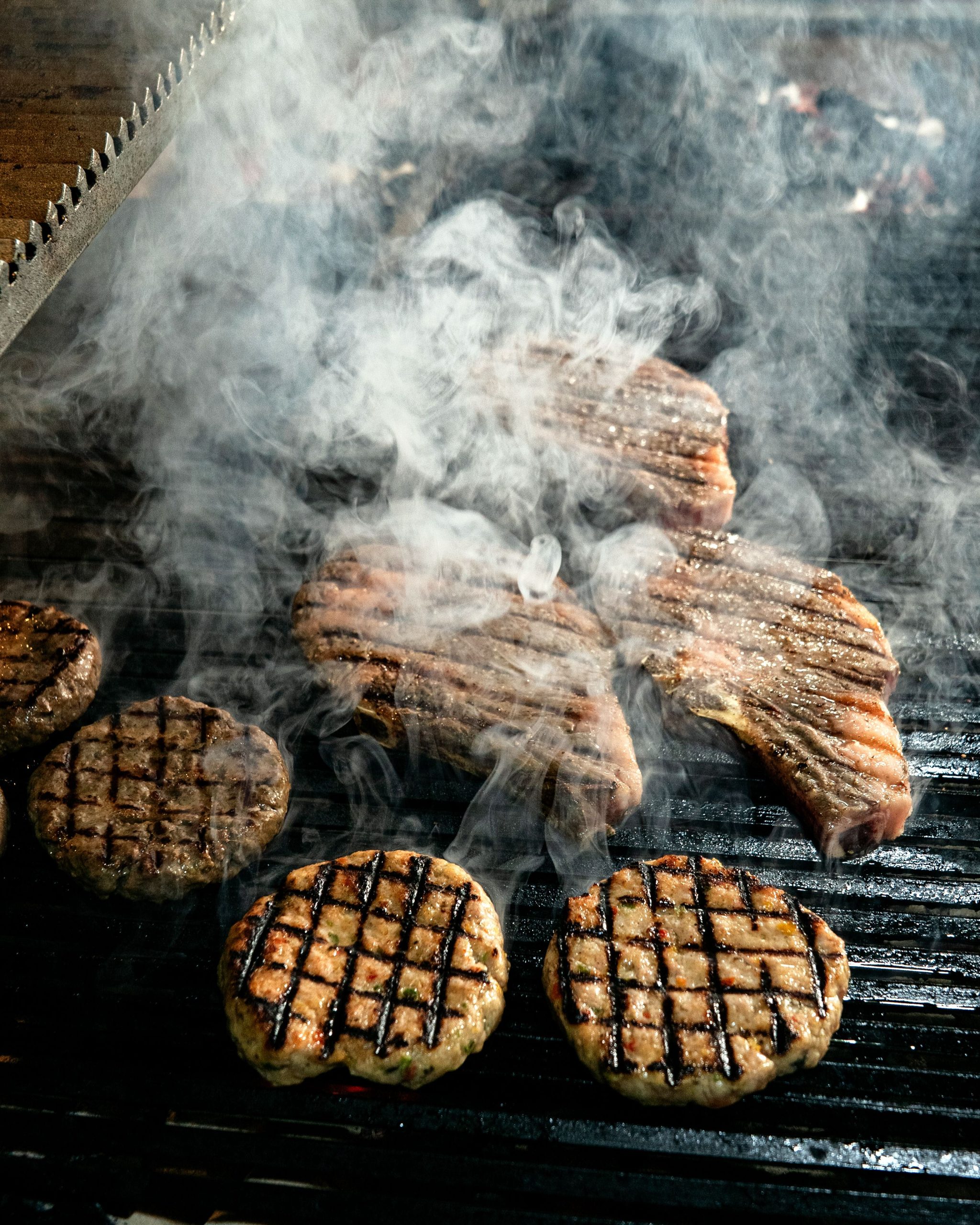
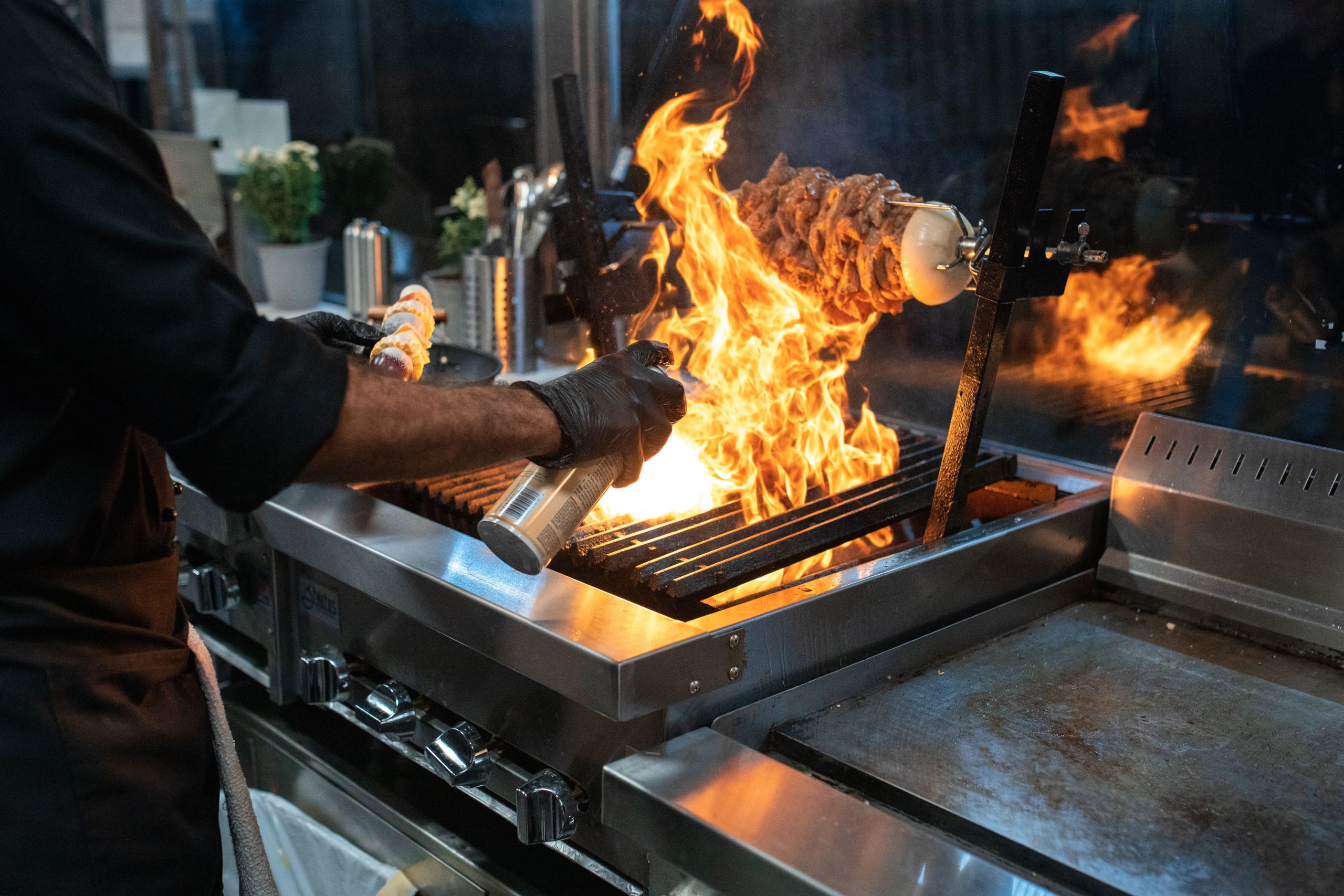
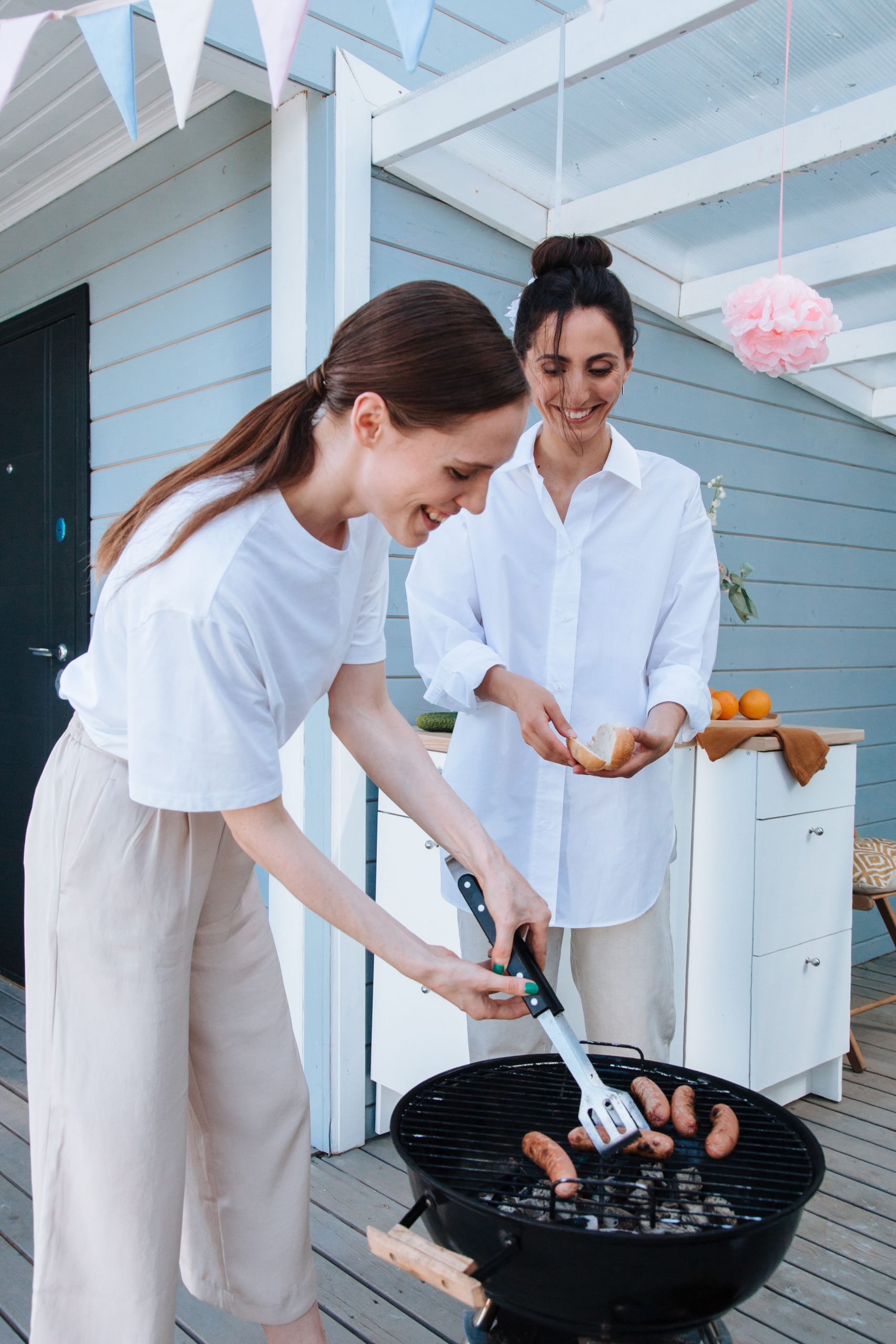
One of the most important decisions in any outdoor grill station design is where the cooking equipment will go.
Grills, smokers, griddles, and similar equipment produce heat and, in many cases, significant smoke. Their placement needs to account for safety as well as how the entire outdoor living space functions.
There isn’t one location that works for every backyard. We consider the house, traffic patterns, gathering areas, prevailing winds, smoke movement, surrounding materials, and the type of cooking equipment being used.
In general, we prefer not to simply place grills against the house. We also don’t put grills and smokers inside enclosed spaces such as screen porches and sunrooms where heat and smoke can become problematic.
That doesn’t mean outdoor cooking areas can’t have weather protection.
If being able to grill while it’s raining is important to you, there are ways to design appropriate overhead protection while still accounting for heat, smoke, ventilation, and safety. Those considerations simply need to be part of the design from the beginning.
The goal is to find the location where cooking works naturally with the rest of the backyard rather than becoming an obstacle to it.
Choose Outdoor Games That Can Handle Outdoor Life
Another option is choosing games specifically designed to remain outdoors.
This can be particularly valuable around a swimming pool, where everything is going to encounter water sooner or later.
Ledge Lounger offers several outdoor games designed specifically for these conditions. Their outdoor Four in a Row game, for example, uses UV-stable, weather-resistant resin designed to withstand sun and poolside conditions. Their outdoor cornhole products use similar weather-resistant construction intended to resist common problems such as fading, swelling, and warping.
They also offer an outdoor table tennis table designed to withstand sun, weather, and pool chemicals. One particularly useful design feature is that the paddles and balls can be stored within the table itself. Remove the net and the table can also function as an outdoor dining or gathering table.
Products like these solve an important problem: you don’t have to constantly move everything inside and outside.
For the right project, Bear Creek can incorporate these types of Ledge Lounger games into the overall outdoor living design and provide them for our clients.


Don’t Underestimate the Cost of Utilities
Utilities can be one of the more significant expenses involved in building an outdoor kitchen.
Depending on what you want to include, you may need electricity, gas, water, and drainage. Getting those services from the house to the outdoor kitchen can be relatively straightforward in some projects and considerably more difficult in others.
That makes the location of the kitchen important from a cost standpoint as well as a design standpoint.
Water requires additional consideration in Virginia because the system needs to account for freezing temperatures and winterization. A sink also isn’t simply a matter of running a water line to the backyard. Drainage typically needs to connect appropriately to an approved sewer or septic system in accordance with applicable local requirements.
These are some of the details that make planning ahead so valuable.
If you’re building a new patio or complete outdoor living space today but think you might add an outdoor kitchen several years from now, tell your designer now.
It may make sense to rough in utilities, install conduit or sleeves beneath finished surfaces, reserve space for future equipment, or at least create an accessible route for utilities to reach the future kitchen.
Those relatively small decisions during the original project can save substantial work later.
Counter Space May Be More Valuable Than Another Appliance
One of the most common things homeowners ask us for isn’t another grill or specialty appliance.
It’s counter space.
Think about cooking on a typical freestanding grill. You bring food outside, along with seasonings, utensils, plates, trays, and everything else you need. Then you discover that the small shelf attached to the grill isn’t nearly large enough.
You simply need somewhere to put things.
That’s why some of the best backyard kitchen ideas are also some of the simplest. Adding useful counter space beside equipment a homeowner already owns can completely change the outdoor cooking experience.
The key is putting that counter space where it’s actually useful.
You want convenient working space near the cooking equipment so you’re not constantly walking back and forth. At the same time, the layout should provide an easy transition from preparing and cooking food to serving it to family and guests.
A beautiful countertop on the opposite side of the kitchen doesn’t necessarily solve the problem. The working surface needs to be where the work happens.

Be Realistic About Outdoor Storage
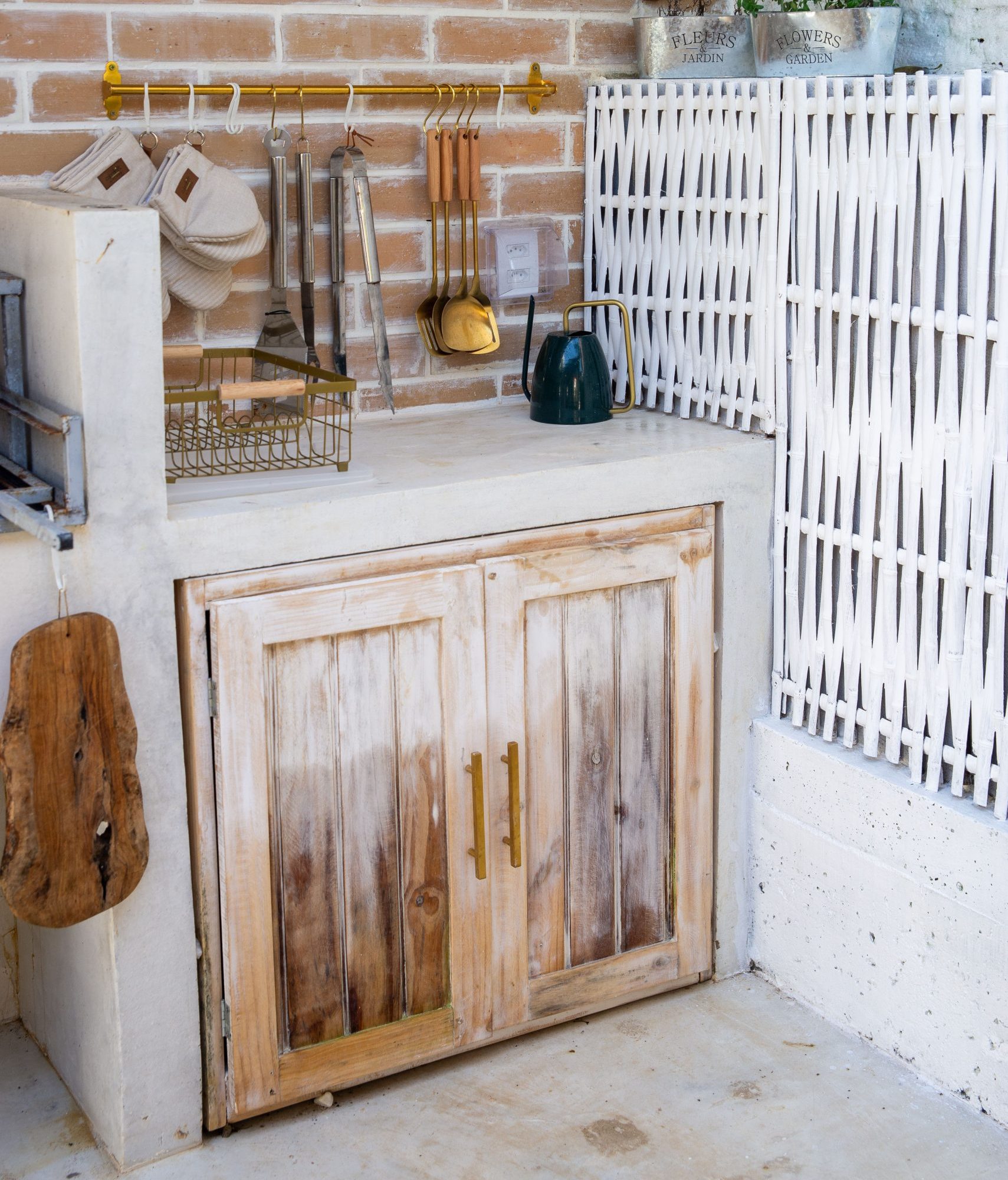
Storage is another area where outdoor kitchen costs can increase quickly.
There is a significant difference between creating an enclosure beneath a countertop and creating truly dry, weather-resistant storage.
Quality outdoor cabinetry can provide excellent storage, but it also adds to the investment. Built-in masonry or similar enclosures can provide useful space, but keeping their contents completely dry can be more difficult.
Sometimes the practical solution is much simpler.
Storage areas can be incorporated into the kitchen while tools, supplies, and other items are kept inside appropriate totes or weather-resistant containers. That can provide the functionality a homeowner needs without requiring every portion of the kitchen to function like an indoor cabinet.
Think carefully about what you actually need to keep outside. That might include grill tools, fuel, charcoal, pellets, serving supplies, cleaning items, or other cooking accessories.
Then design the storage around those needs rather than simply adding cabinets because kitchens are supposed to have cabinets.
Design Around the Equipment You Love
We recently designed an outdoor cooking area for a client who regularly uses two very different pieces of equipment: a ceramic charcoal smoker and a gas griddle.
Instead of replacing those with built-in appliances, we designed a place for each.
The ceramic smoker sits within a recessed, lower portion of the counter, which allows it to integrate naturally into the overall kitchen. Stonework and finished countertops tie the entire area together visually, so the different pieces of cooking equipment look intentional rather than simply parked beside one another.
At the same time, the design retains flexibility.
If the homeowner eventually replaces a grill or changes the way they cook, the outdoor kitchen isn’t so specialized that the entire thing has to be rebuilt.
That’s an important principle in outdoor kitchen design. Cooking equipment changes. Homeowners discover new ways they like to cook. Appliances eventually need replacement.
Whenever practical, we like to create spaces that accommodate today’s equipment without unnecessarily limiting tomorrow’s options.

The Most Expensive Mistake Is Waiting Too Long to Plan
Many outdoor kitchen mistakes can be corrected.
The problem is that correcting them after the rest of the backyard is finished can get expensive.
Imagine completing a new patio and outdoor living area and then deciding a few years later that you want an outdoor kitchen on the opposite side of it. Suddenly you need to get electricity, gas, or water to that location.
That may mean cutting through or removing portions of finished surfaces that you already paid to install.
The better approach is to think about the outdoor kitchen as part of the overall backyard plan—even if you aren’t going to build it immediately.
You don’t necessarily have to purchase the appliances, build the counters, or install the kitchen during the first phase. But knowing where it will eventually go allows the rest of the project to accommodate it.
That principle applies beyond outdoor kitchens. A well-designed backyard considers not only what you want today, but also what you may reasonably want to add in the future.
Your Outdoor Kitchen Doesn’t Have to Be Elaborate
A successful outdoor kitchen isn’t measured by how many appliances it contains.
It’s measured by whether you enjoy using it.
For some homeowners, that means a complete kitchen where almost everything can be prepared, cooked, stored, and served outside. For others, it means keeping their favorite grill and finally giving themselves a good countertop beside it.
Both can be excellent outdoor kitchens.
The important part is making those decisions intentionally.
Think about how you cook. Think about what you carry back and forth from the house. Think about where you need counter space. Consider where smoke will travel, where people will walk, what needs to be stored outside, and which utilities you’ll need.
Most importantly, think about those things before construction begins.
At Bear Creek, we design outdoor kitchens as part of the larger outdoor living environment, balancing cooking, gathering, traffic flow, utilities, architecture, and the way your family actually uses the backyard.
Planning an outdoor kitchen or a larger backyard project? We’ll design an outdoor kitchen that truly functions well—for the way you cook today and the way you want to use your outdoor space for years to come.

Written by: Brian Mininger
I grew up in Waynesboro, Virginia, and currently live in Greenville on Bear Root Farm with my wife, Victoria, co-founder of Bear Creek Outdoor Living. We have four daughters and three sons-in-law, several of whom work with us, and I enjoy spending time together as a family and working alongside them.
I love being outdoors, especially hiking and trail running on our public lands, and I regularly participate in ultra-running events. At Bear Creek, I enjoy helping clients guide their vision into reality and providing steady, visionary leadership to our team.