
Best Plants for Virginia Backyards
Practical, low-maintenance choices that thrive locally
Designing a beautiful backyard in Virginia isn’t about chasing trends or filling space with whatever looks good at the garden center. The most successful outdoor spaces feel effortless—because the plants actually belong there.
At Bear Creek, we think about planting the same way we think about patios, pools, and structures: it should feel intentional, cohesive, and built to last. That starts with choosing plants that thrive in Virginia’s climate—and designing with them in a way that elevates your entire backyard.
Here’s how to think about it.
Start with Native Plants (They Do the Heavy Lifting)
If you want a backyard that looks great without constant maintenance, native plants are your best foundation.
Plants that naturally grow in Virginia are already adapted to our soil, rainfall, and seasonal swings. That means:
- Less watering
- Fewer pest problems
- Better long-term performance
- More support for local pollinators
You don’t have to go “fully native” to get the benefit. Even incorporating a handful of well-chosen species can anchor your landscape and make everything else easier.
A few reliable examples you’ll often see in well-designed Virginia backyards:
- Black-eyed Susan for bright, durable summer color
- Coneflower (Echinacea) for structure and pollinator appeal
- Virginia sweetspire for soft, natural massing with seasonal interest
- Eastern redbud for spring color and sculptural branching
These plants don’t just survive—they settle in and make your yard feel like it belongs in the landscape around it.
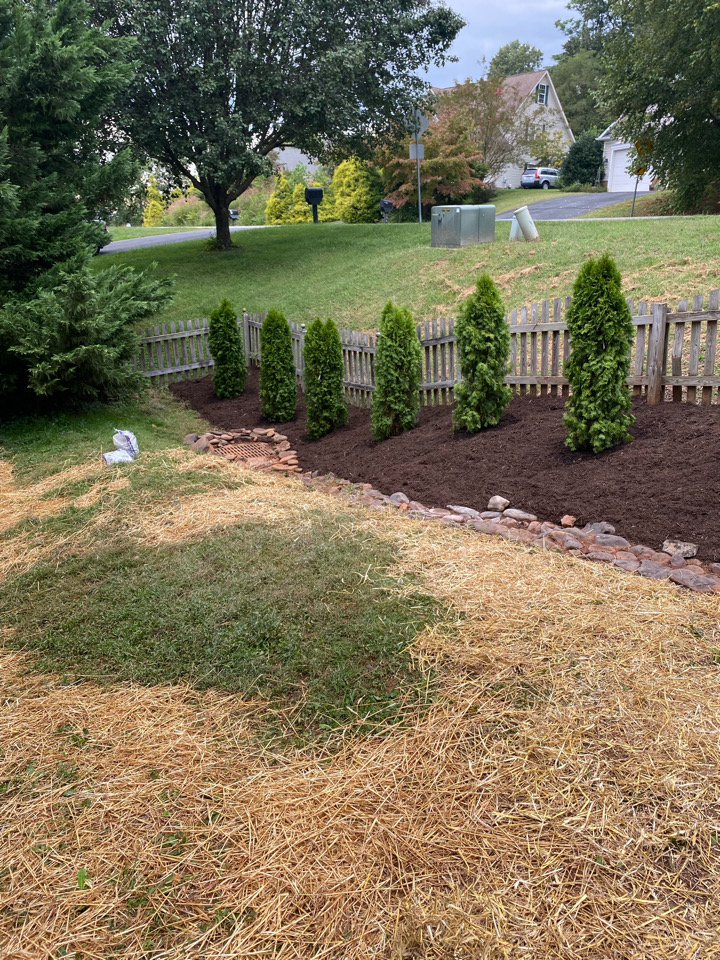
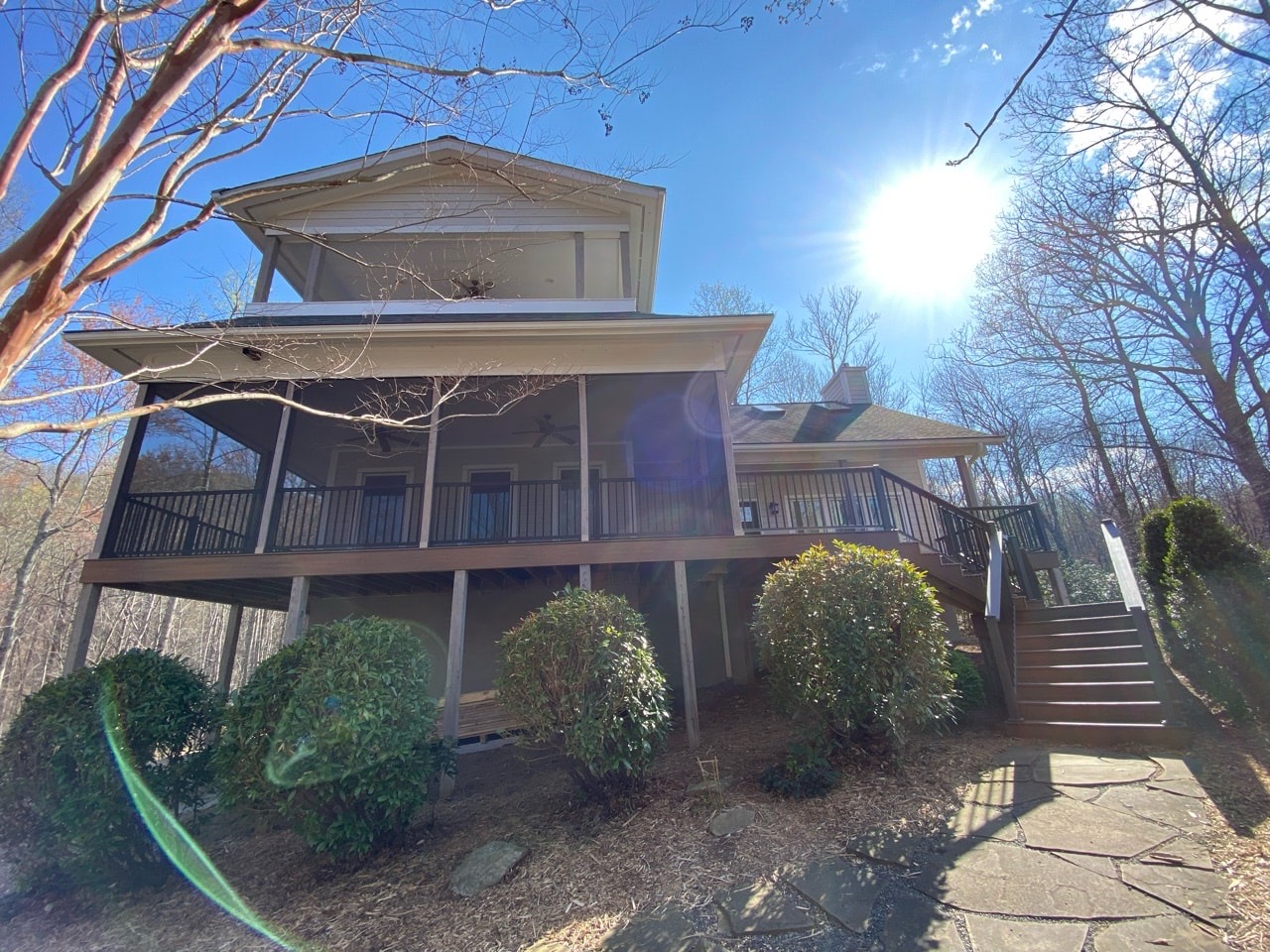
Don’t Fight the Shade—Use It
Many Virginia backyards—especially in the Shenandoah Valley and foothill areas—have a mix of sun and shade. Trying to force sun-loving plants into shady areas is one of the most common (and frustrating) mistakes we see.
Instead, lean into it.
Shade can be one of the most calming, layered parts of your backyard when planted well. It creates contrast, depth, and a sense of retreat.
Some go-to shade-friendly options include:
- Hostas for bold, architectural foliage
- Ferns for texture and movement
- Heuchera (coral bells) for subtle color variation in lower light
When these are grouped intentionally, they create a softer, more natural feel that pairs beautifully with patios, fire features, and wooded lot lines.
What to Avoid (and Why It Matters)
Not all plants are worth the effort—especially if you’re trying to create a backyard that feels refined rather than high-maintenance.
In Virginia, we typically steer homeowners away from:
Invasive plants
They may look good at first, but they spread aggressively and disrupt the balance of your landscape over time.
High-maintenance “show” plants
Some plants demand constant pruning, spraying, or replanting to look good. That’s fine in a botanical garden—not in your everyday backyard.
Plants that struggle in our climate
If a plant isn’t suited for Virginia’s humidity, temperature swings, or soil conditions, it will always feel like an uphill battle.
A well-designed landscape should get easier over time, not harder.
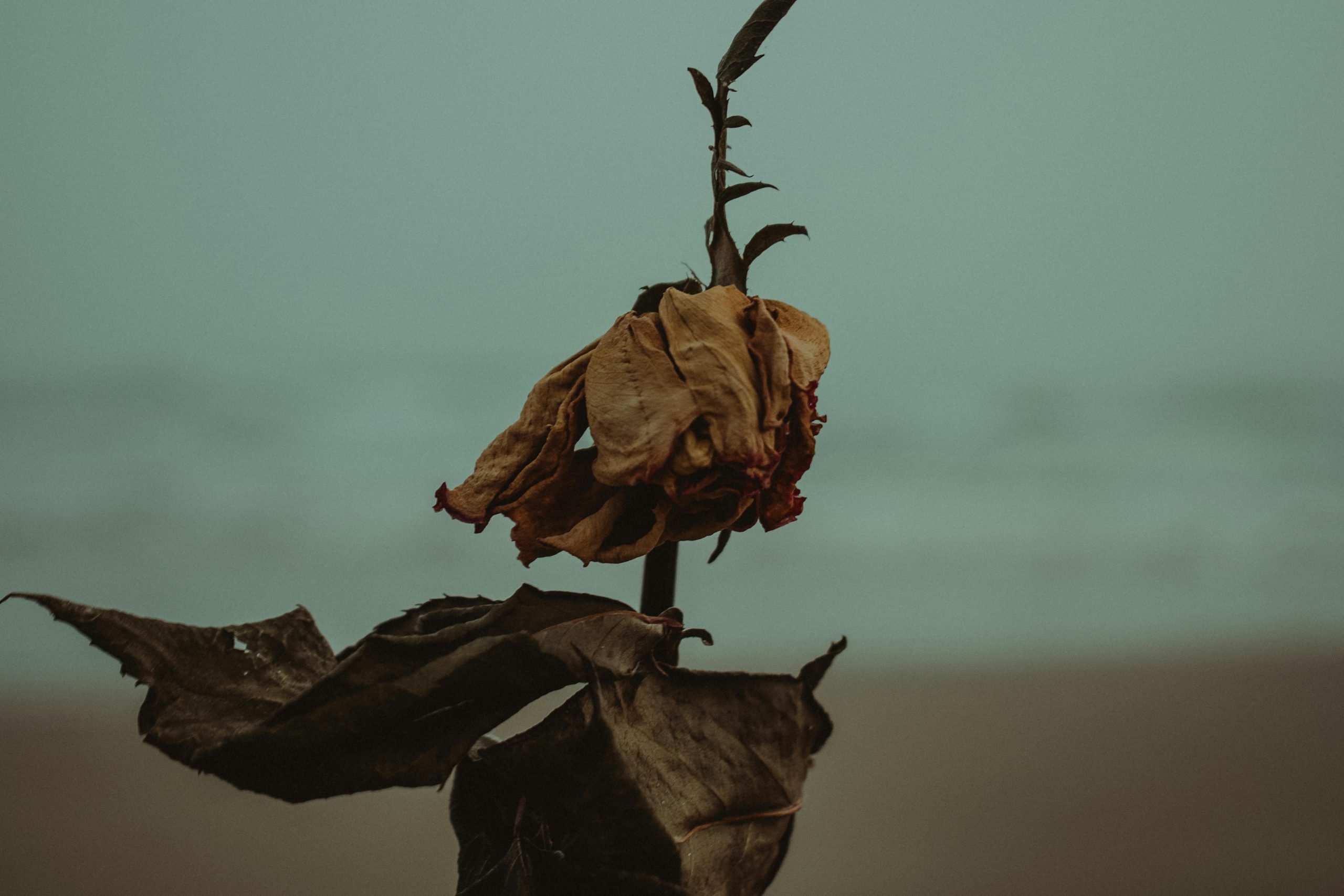
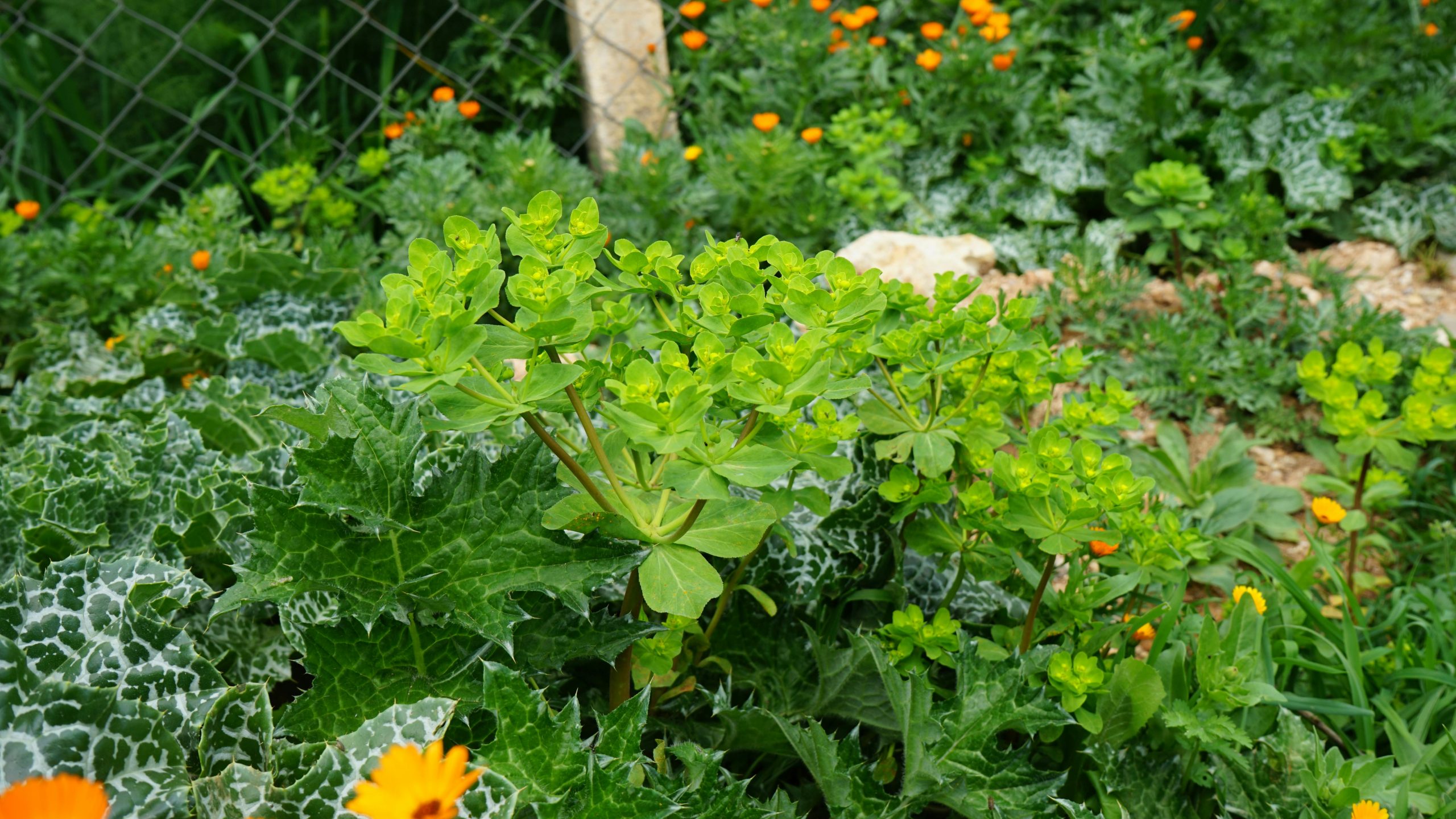
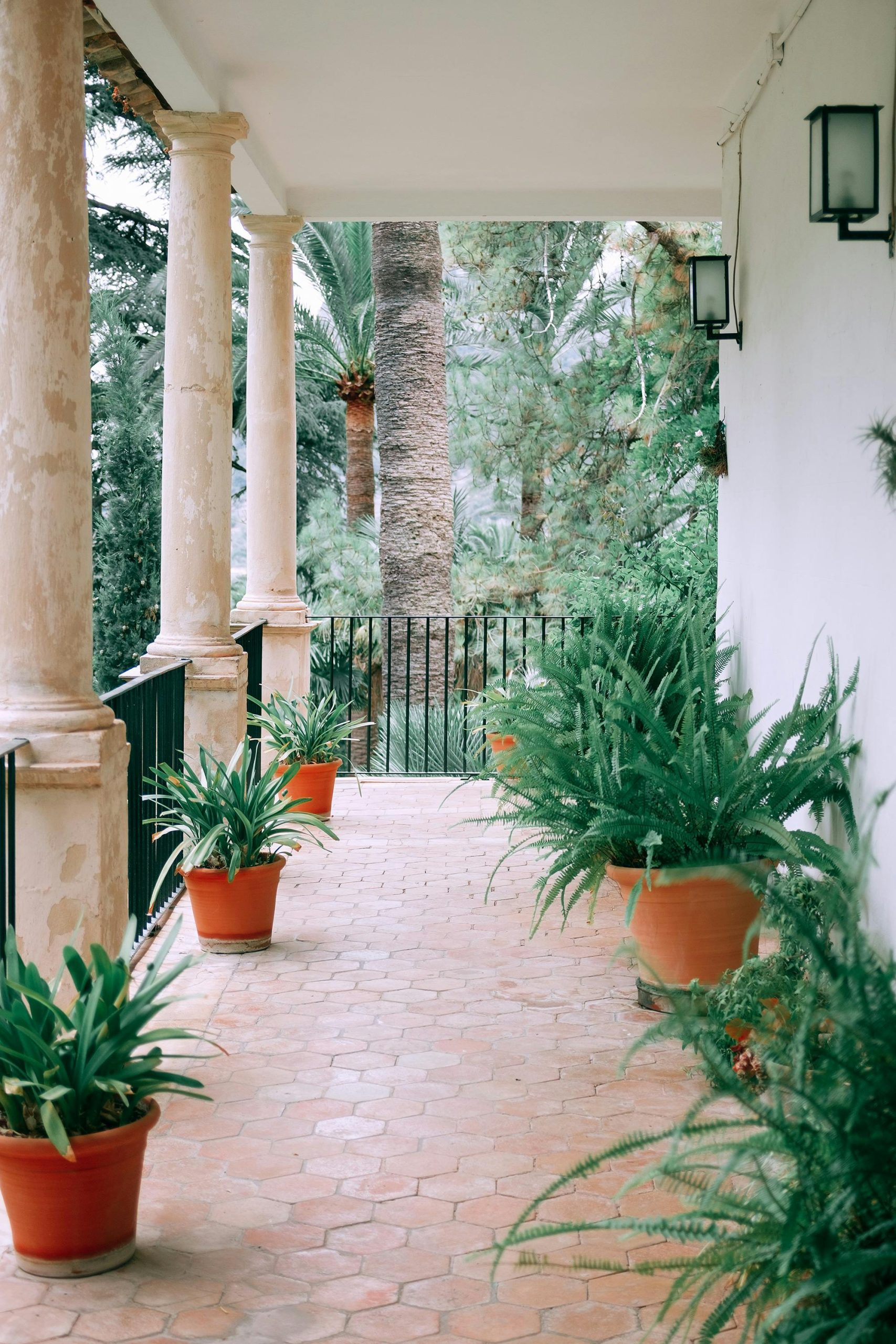
The Detail Most People Miss: Color Coordination
One of the biggest differences between a “nice yard” and a truly polished outdoor space is how the colors work together.
It’s not just about picking flowers you like—it’s about how those colors interact with:
- Your home’s exterior (siding, brick, trim)
- Hardscape materials (stone, pavers, decking)
- Other plants in the landscape
For example:
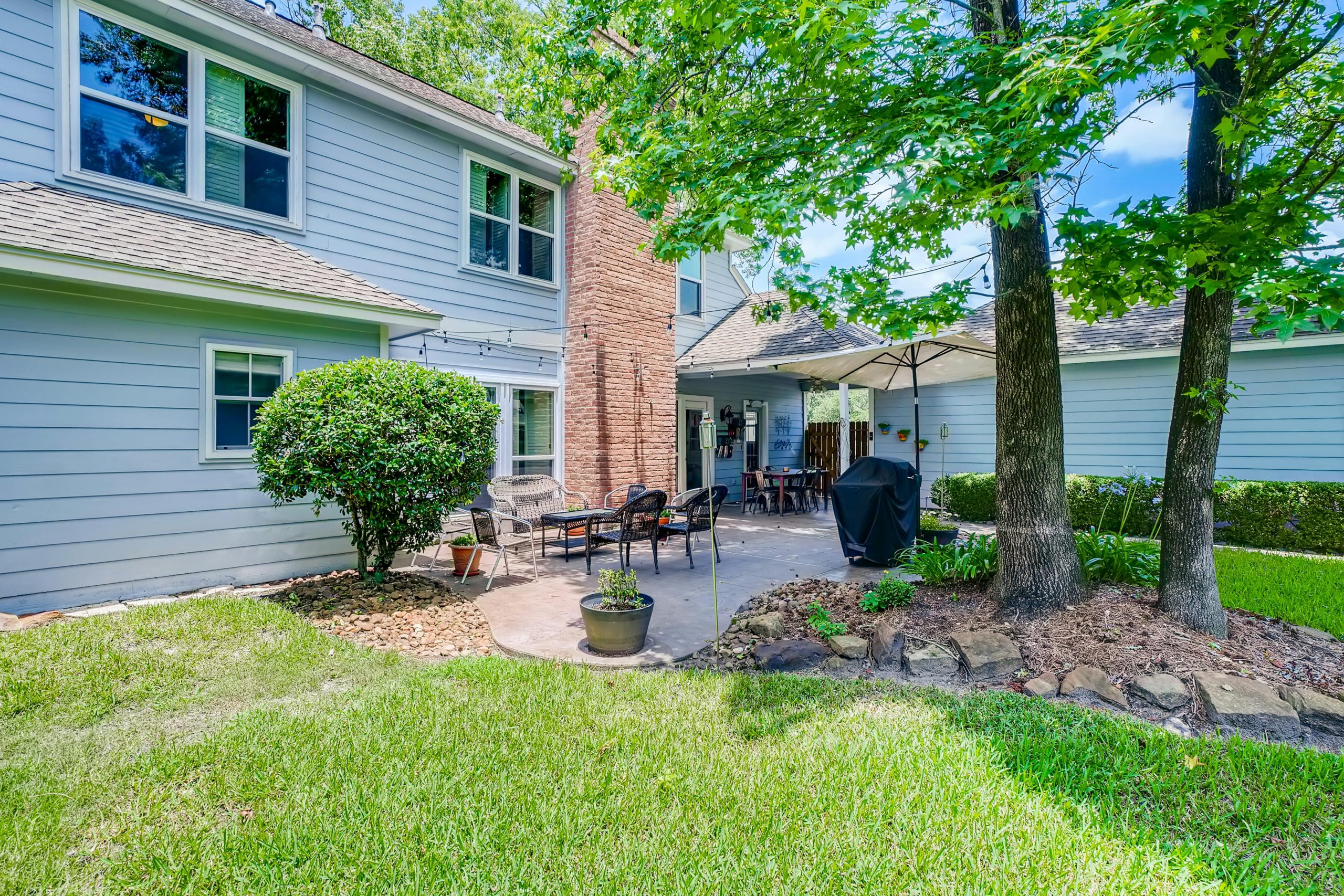
- Cooler-toned homes (grays, blues) often pair well with purples, whites, and soft pinks
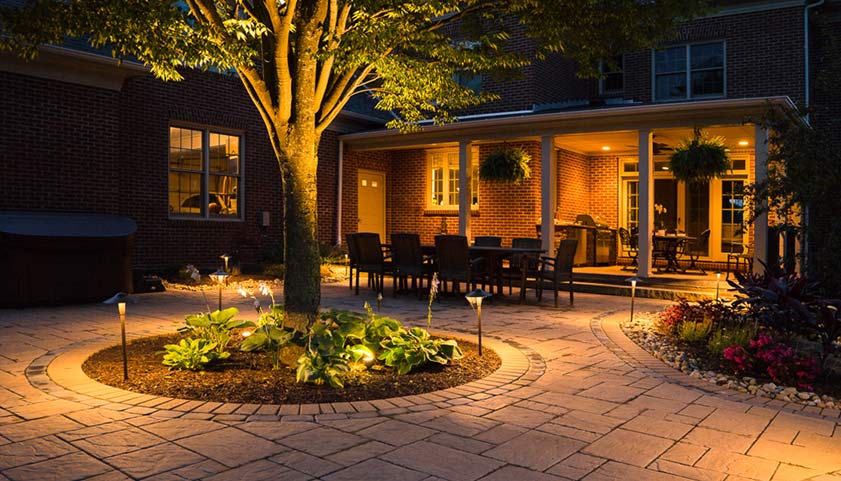
- Warmer-toned homes (brick, tans, creams) tend to work better with yellows, oranges, and reds
- Too many competing colors can make even a well-planted yard feel chaotic
When done right, your planting palette feels intentional—even if you can’t immediately explain why.
This is one of those subtle design decisions that quietly elevates everything.
Simple Landscaping Wins That Make a Big Impact
You don’t need dozens of plant varieties to create a beautiful backyard. In fact, simpler is usually better.
Here are a few principles we use all the time:
Repeat, don’t randomize
Using the same plants in multiple areas creates rhythm and cohesion.
Layer your planting
Think in terms of height:
- Taller elements (trees, large shrubs)
- Mid-level structure
- Low groundcover or perennials
This creates depth and a more finished look.
Plant in groups
Single plants tend to look lost. Grouping them in clusters creates visual impact and a more natural feel.
Leave room to grow
Overplanting is tempting—but spacing things correctly now prevents crowding and constant maintenance later.

The Bigger Picture
The right plants don’t just fill space—they define how your backyard feels.
They soften hardscapes.
They frame gathering areas.
They guide movement.
They create moments you actually notice and enjoy.
And when they’re chosen well, they make everything else—your patio, your pool, your outdoor living space—look better.
Thinking About Your Own Backyard?
Choosing the right plants is only part of the equation. The real impact comes from how everything works together.
If you’re planning a backyard project and want a space that feels cohesive, intentional, and built for your lifestyle, we’d love to help.
Ask us how we can integrate planting into your full outdoor design.

Written by: Brian Mininger
I grew up in Waynesboro, Virginia, and currently live in Greenville on Bear Root Farm with my wife, Victoria, co-founder of Bear Creek Outdoor Living. We have four daughters and three sons-in-law, several of whom work with us, and I enjoy spending time together as a family and working alongside them.
I love being outdoors, especially hiking and trail running on our public lands, and I regularly participate in ultra-running events. At Bear Creek, I enjoy helping clients guide their vision into reality and providing steady, visionary leadership to our team.