
Checklist: What to Know Before Designing Your Outdoor Space
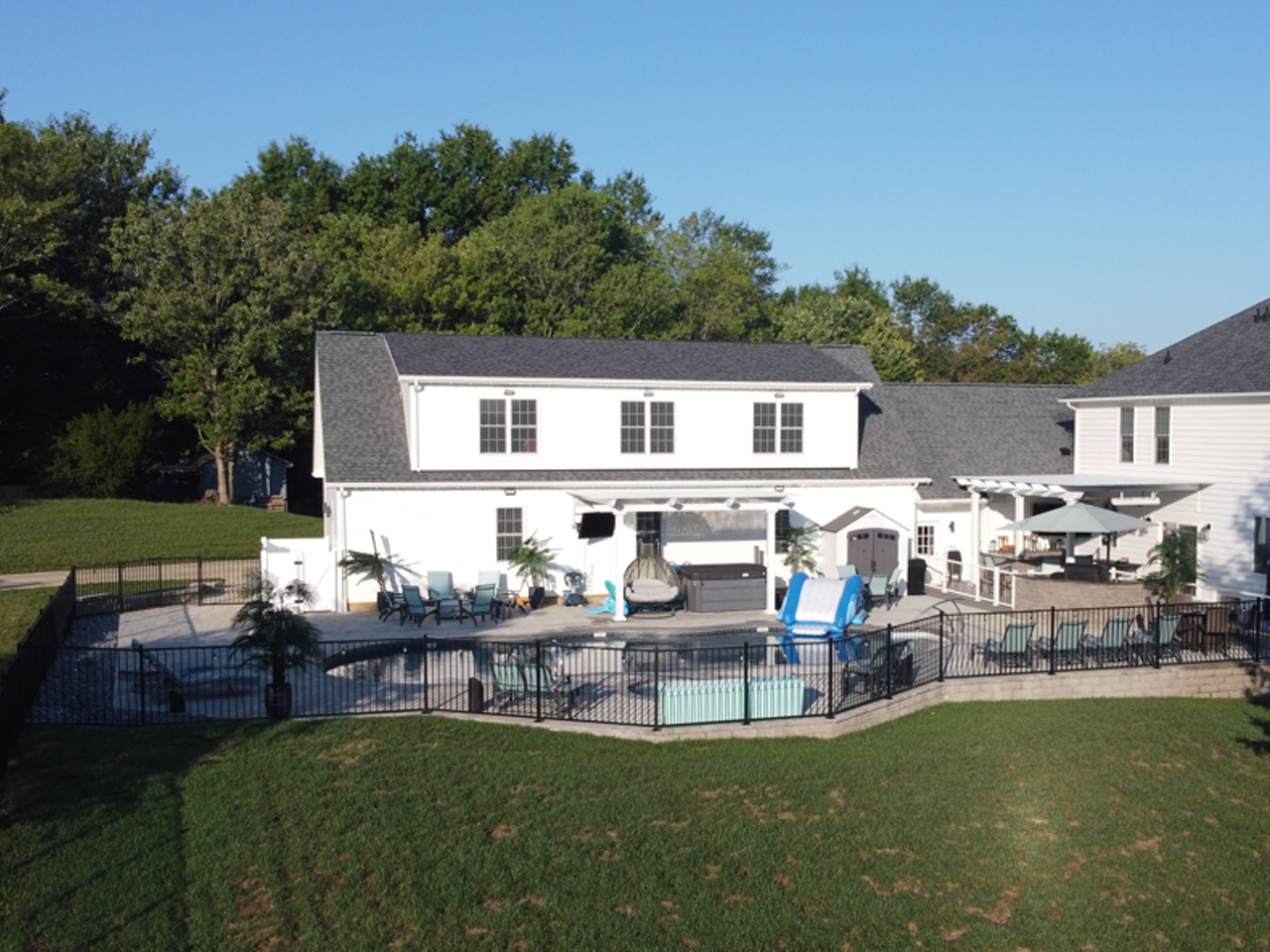
Most homeowners approach an outdoor project thinking they need to arrive with a fully formed plan. That assumption is not only unnecessary—it often gets in the way.
A successful outdoor space doesn’t start with permits, drawings, or measurements. It starts with clarity about what you want and how you want to live. The technical details matter, but they are not your burden to carry alone.
This checklist is designed to help you come prepared—not with answers, but with direction.
1. Vision, Desires, and What Success Looks Like
This is the most important part of the entire process.
Before thinking about materials or layouts, consider:
- How do you want to use your outdoor space?
- Who will be there—and how often?
- What would make this project feel like a clear win one year after it’s built?
Bring:
- Inspiration photos of spaces you love
- Notes on features or feelings you’re drawn to
- A sense of what matters most (comfort, gathering, views, simplicity, longevity)
You don’t need to know how it gets built. You just need to know why you want it.
2. How You Actually Live Outdoors
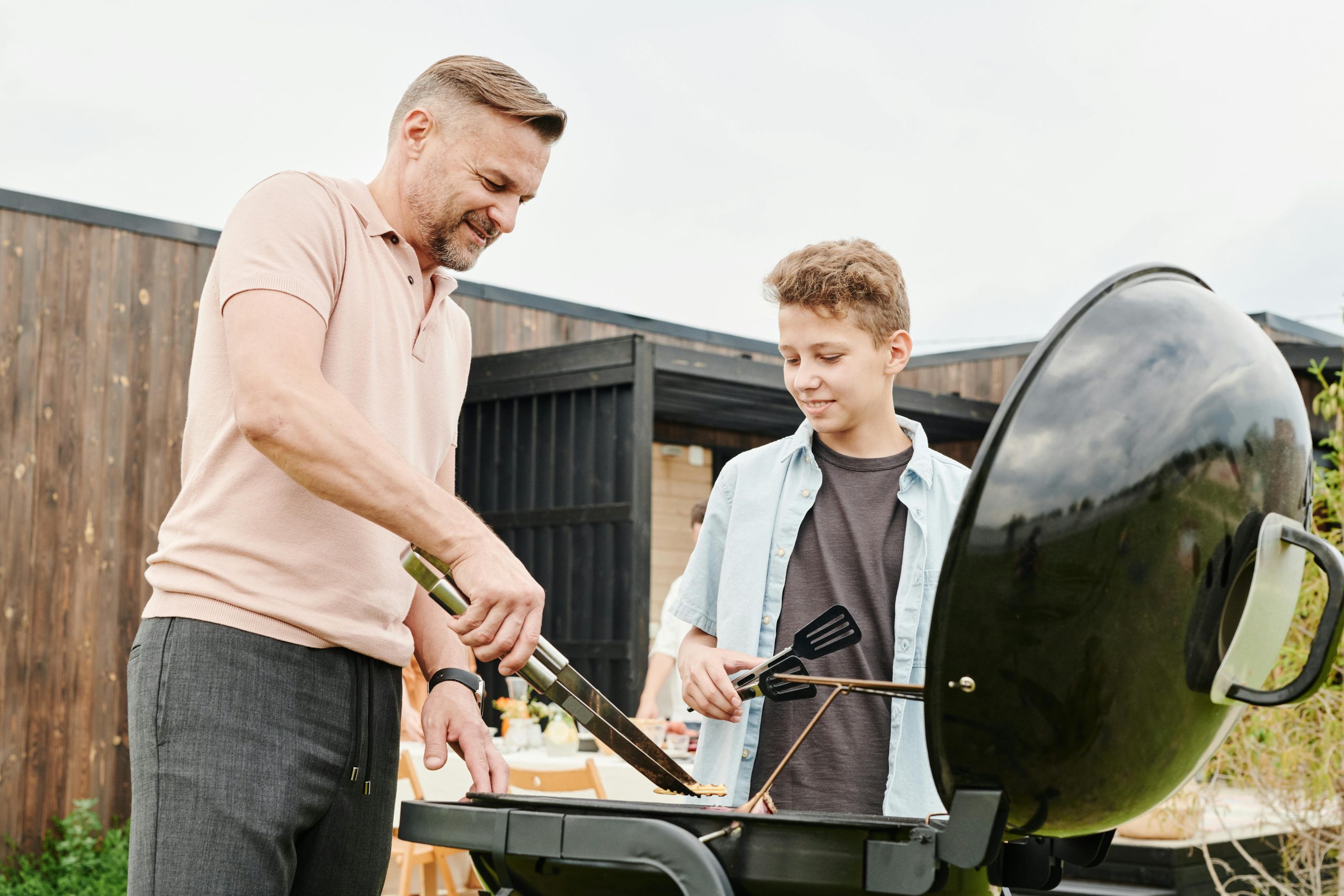
Design works best when it’s rooted in real life, not idealized plans.
Think about:
- When you naturally spend time outside
- What currently works—and what doesn’t
- Weather conditions that limit use
- Daily patterns, not special occasions
This insight helps shape layout, protection, flow, and function far more than square footage ever will.
3. Technical Realities (What You Can Gather — and What We Handle)
Every property has constraints. Some are obvious. Others only show up once a project is underway.
If you have access to them, it’s helpful to gather:
- A property plat or survey
- Any existing construction drawings
- Well and septic information, if applicable
That said, this is not your responsibility to solve. Our role is to:
- identify constraints,
- verify requirements,
- and design within them intelligently.
Your job is awareness—not expertise.

4. Utilities & Site Awareness
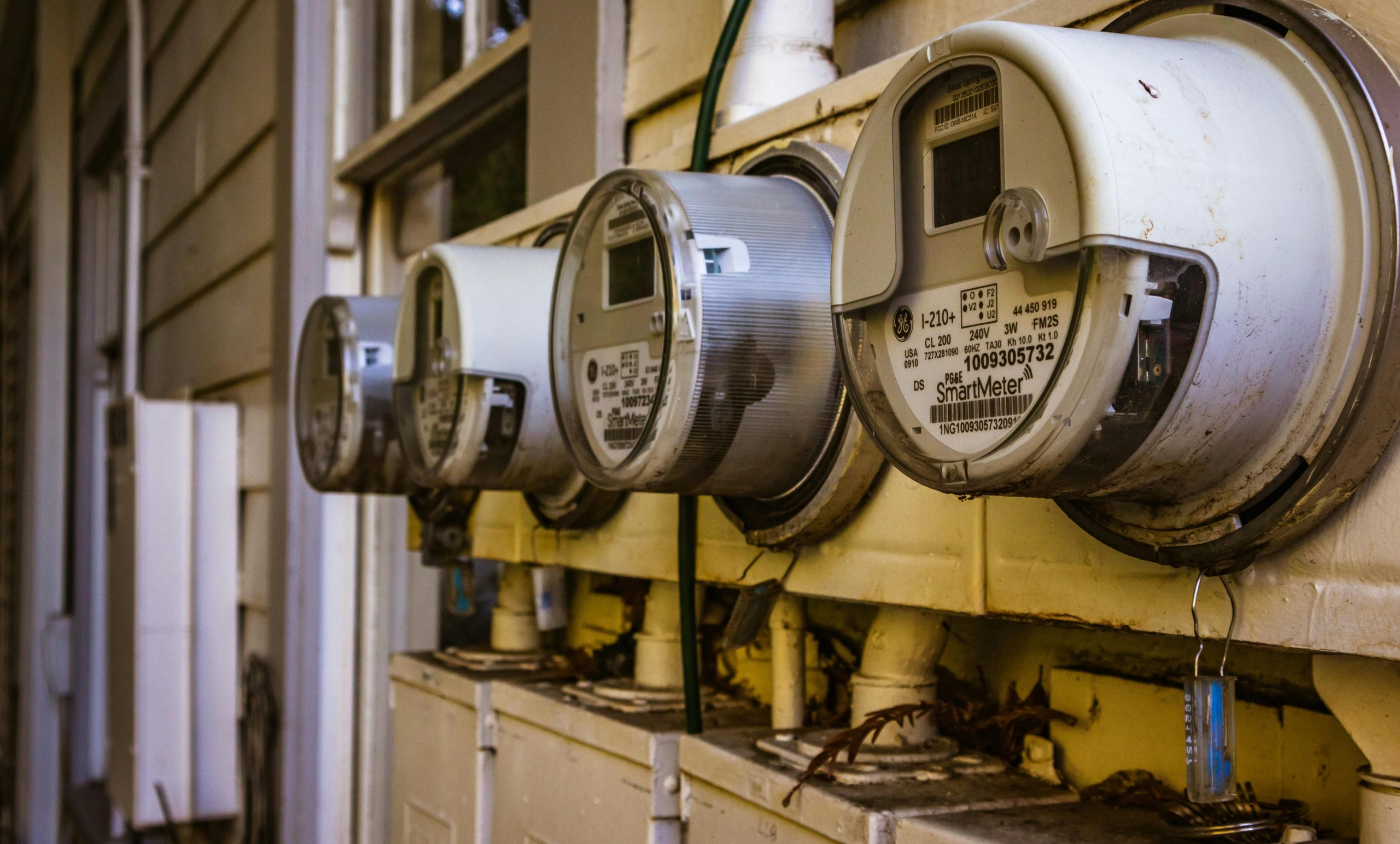
If you already know where utilities are located—great. If not, that’s normal.
Helpful things to note:
- Known utility locations
- Areas that seem “off-limits” or restricted
- Past work that may affect excavation or access
We have processes to investigate and confirm everything. Early awareness simply helps us move faster and avoid surprises.
5. Construction Access & Neighborhood Considerations
Outdoor projects don’t happen in isolation.
It’s useful to consider:
- HOA rules or architectural guidelines
- Neighbor proximity and sensitivities
- Access points for equipment and materials
You don’t need a logistics plan. That’s our responsibility. But your insight into the property and neighborhood helps us design a process that respects both.

6. Maintenance Preferences (Be Honest Here)
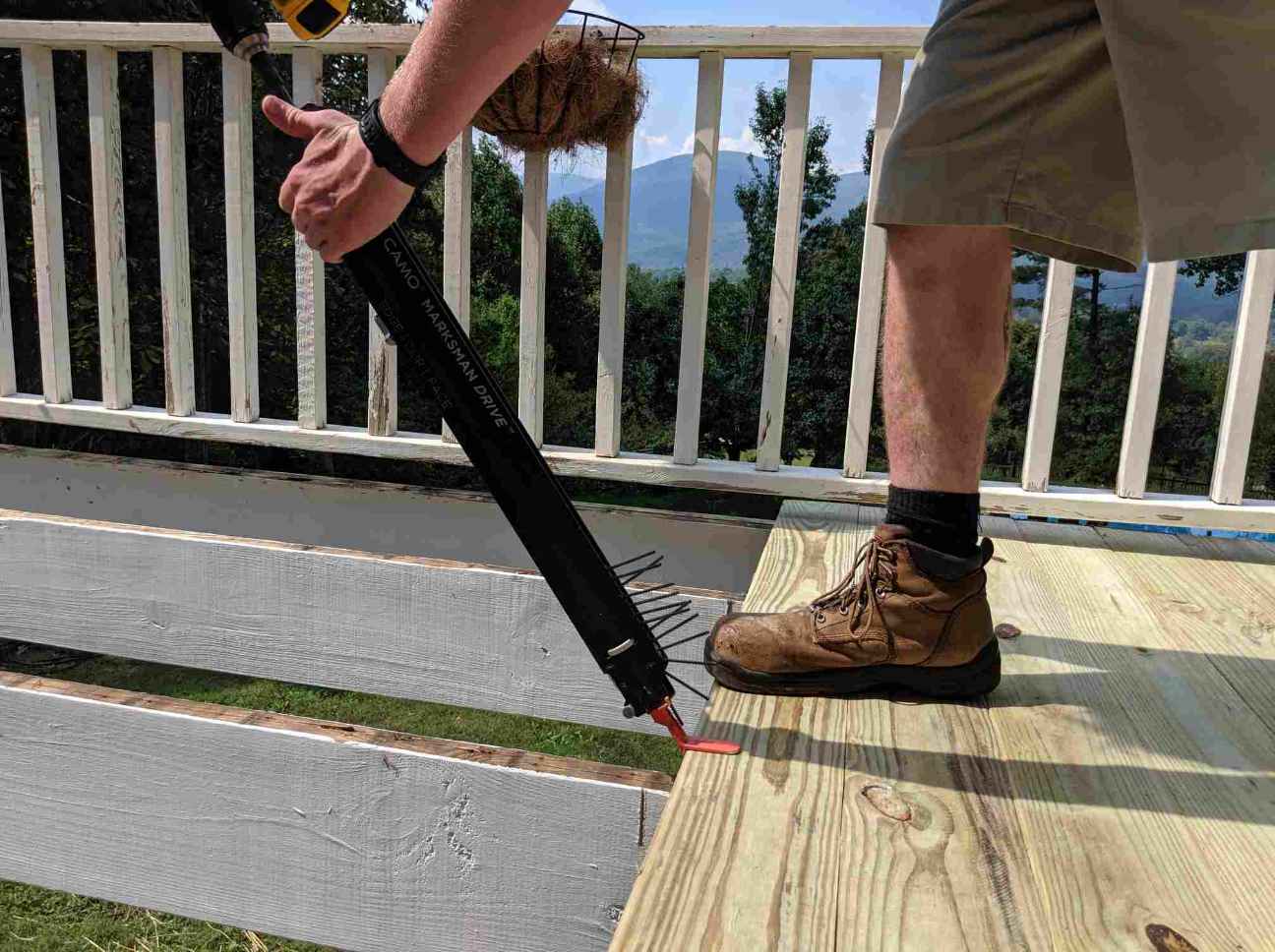
Every material choice carries a maintenance reality.
Ask yourself:
- Do I enjoy caring for outdoor spaces?
- Do I want to minimize ongoing upkeep?
- Am I willing to invest in maintenance over time?
There’s no wrong answer—but there is a wrong assumption. Clear expectations allow us to recommend materials and systems that align with how you want to live, not how something looks on day one.
What This All Comes Down To
You are not hiring us to fill in technical gaps.
You are hiring us to:
- listen,
- interpret,
- and turn your vision into something durable, buildable, and livable.
The most valuable thing you can bring to the process is clarity about what you want. The rest is our responsibility.
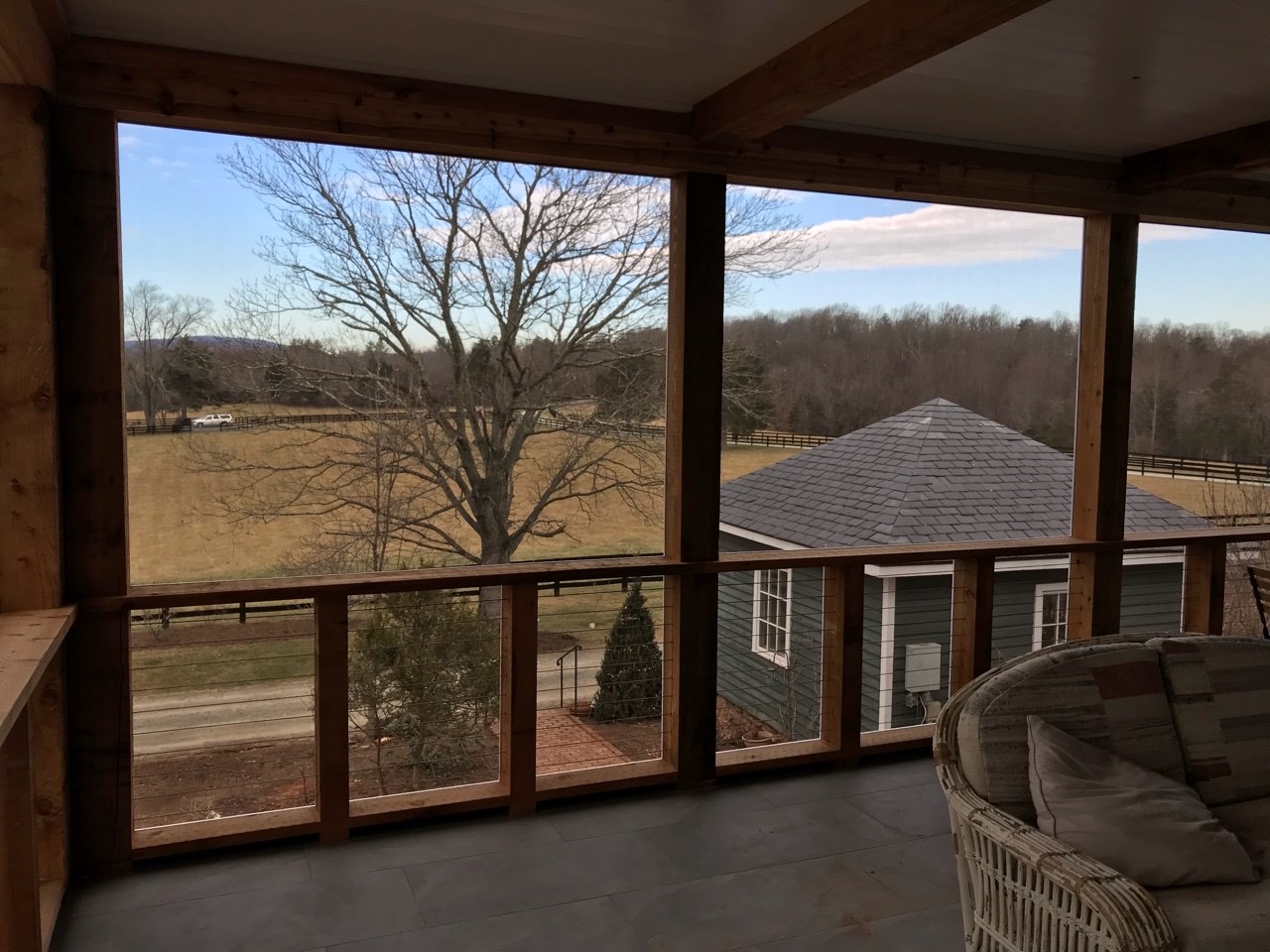
Next Step
If you’re considering an outdoor living project:
- Download our Outdoor Design Checklist
- Schedule a design walk-through
That combination—your vision and our experience—is what leads to outdoor spaces that actually work.
Written by: Brian Mininger
I am originally from Waynesboro, VA and currently reside here with my wife and four daughters: Michaela, Anna, Rachel, and Kaitlyn. In my downtime, I really enjoy participating in activities for my daughters and the events that are going on at their schools. I also really love being outdoors. Specifically, hiking in Shenandoah National Park and trail running. I have competed in a few ultra-events and look forward to running more races in the future.