
Best Backyard Game Ideas for Summer Gatherings
A well-designed backyard should do more than look good. It should give people a reason to come outside and spend time together.
For many families, that includes games.
Backyard games can turn an ordinary summer afternoon into several hours spent outside with family and friends. They can give kids something to do while adults visit, bring several generations together around a little friendly competition, or simply provide another way to enjoy the outdoor spaces you’ve invested in.
But if games are going to become a natural part of your backyard, it helps to think about them before the project is finished.
Design Your Yard for Play, Not Just Looks
When planning an outdoor living space, homeowners naturally think about the big elements first: the patio, pool, porch, outdoor kitchen, fire pit, landscaping, and furniture.
Games are easy to overlook.
Then, once the project is complete, someone decides it would be fun to set up cornhole, bocce, Spikeball, or another game—and discovers there isn’t really a good place to play it.
That is why we like to talk about outdoor family fun during the design process.
You don’t necessarily need a dedicated game court or a huge backyard. You simply need to consider what you might want to do outside and make sure the design gives you room to do it.
Sometimes a relatively small area of turf is enough. It can remain attractive open space most of the time while providing a place to set up cornhole boards, ladder golf, bocce, Spikeball, or other portable games when family and friends arrive.
The key is thinking about the possibility before every square foot has already been committed to something else.

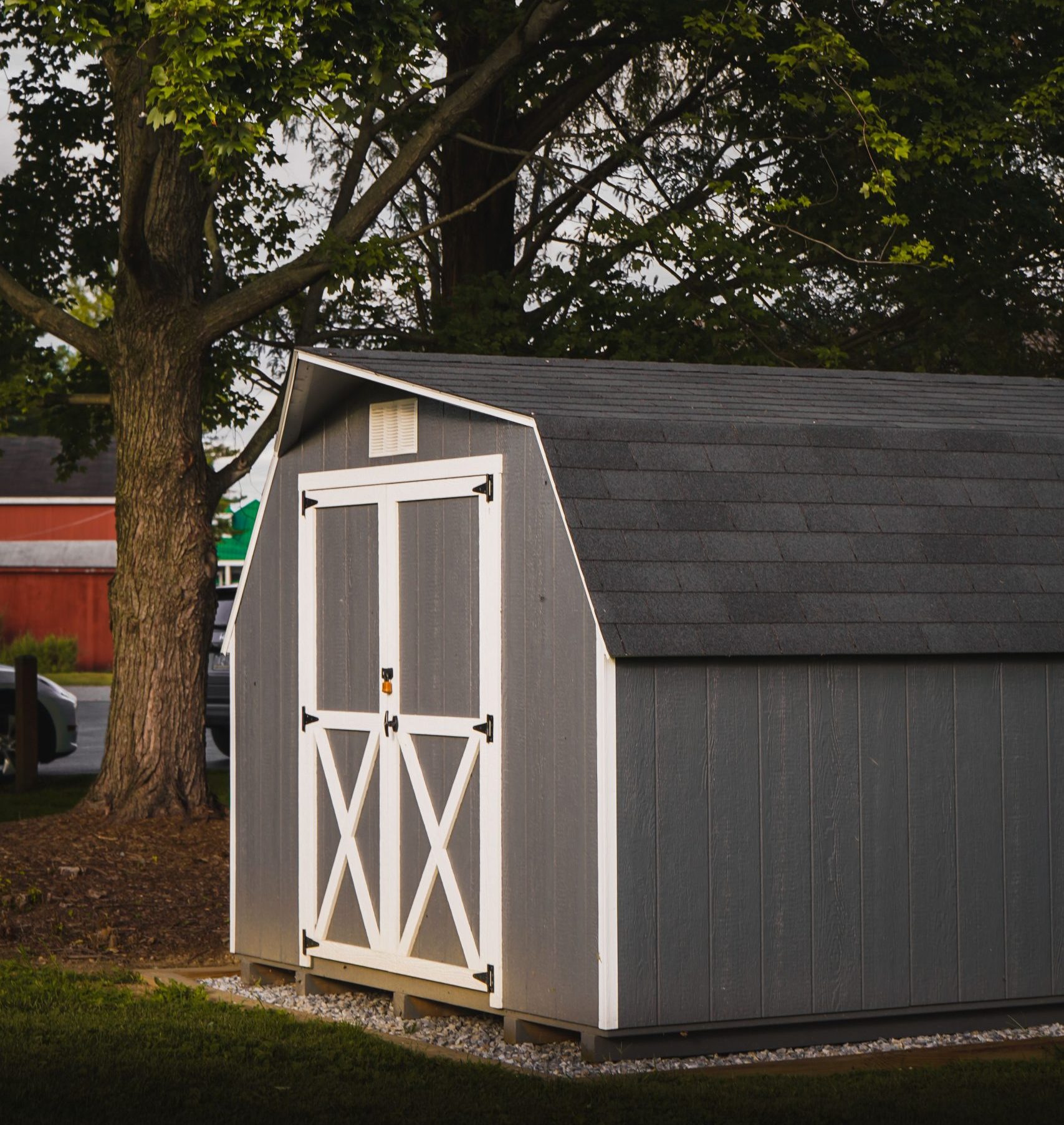
Don’t Forget About Game Storage
One of the most practical considerations is also one of the easiest to miss: Where will the games go when you’re not using them?
Most games involve something that needs to be stored—balls, paddles, bags, cards, game pieces, nets, or the game itself.
Good storage accomplishes two things.
First, it protects equipment that shouldn’t remain exposed to the weather. Second, it keeps games close enough that people will actually use them.
If playing a game requires going into the basement, finding all the pieces, carrying everything outside, setting it up, and reversing the entire process afterward, it probably isn’t going to happen very often.
A cabinet on a porch might hold cards, dominoes, checkers, and smaller games. A storage area near a patio or pool can keep outdoor equipment close at hand. Larger storage can be incorporated elsewhere in the landscape for games that need more room.
Accessibility matters. The easier something is to use, the more likely people are to use it.
Choose Outdoor Games That Can Handle Outdoor Life
Another option is choosing games specifically designed to remain outdoors.
This can be particularly valuable around a swimming pool, where everything is going to encounter water sooner or later.
Ledge Lounger offers several outdoor games designed specifically for these conditions. Their outdoor Four in a Row game, for example, uses UV-stable, weather-resistant resin designed to withstand sun and poolside conditions. Their outdoor cornhole products use similar weather-resistant construction intended to resist common problems such as fading, swelling, and warping.
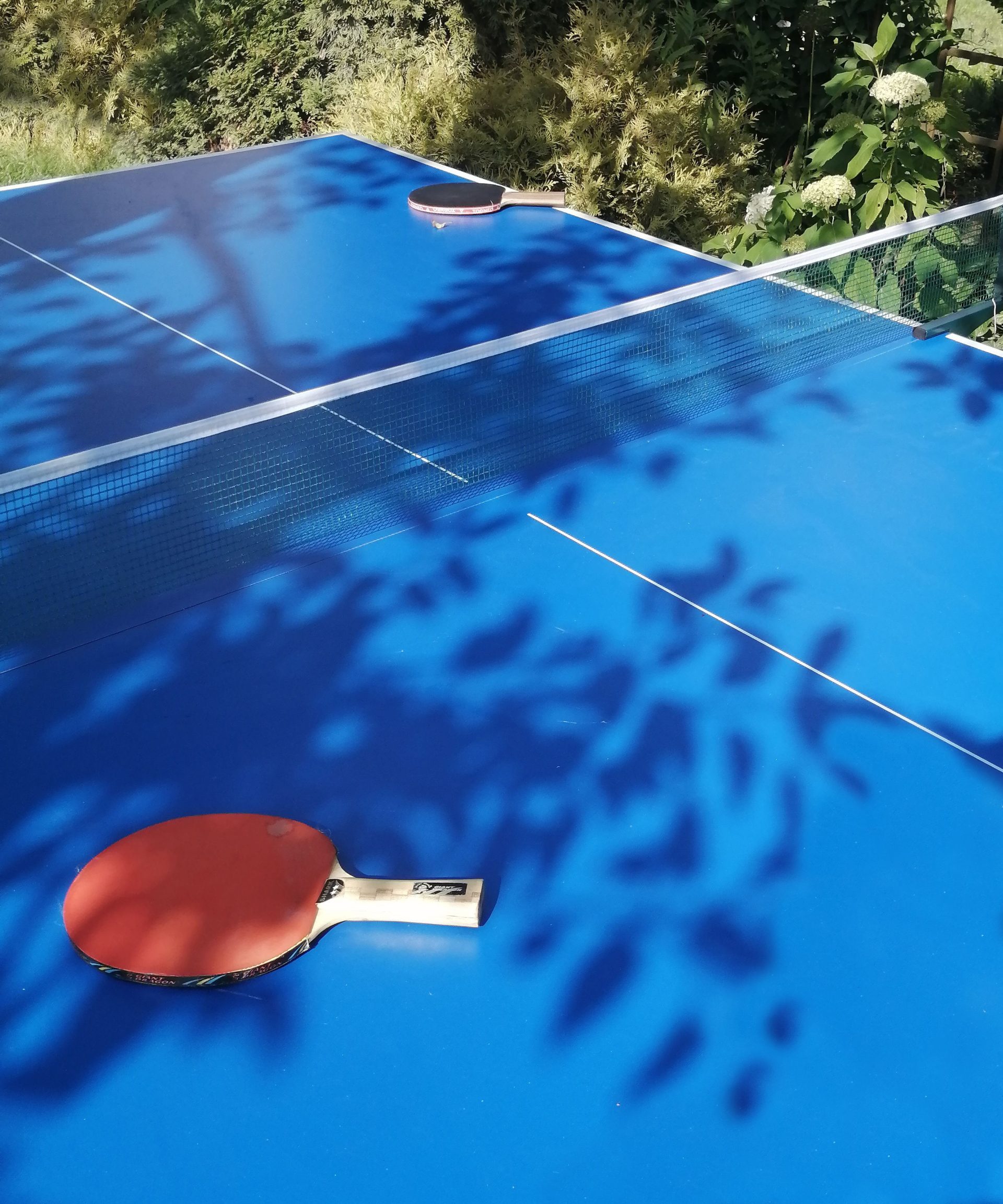
They also offer an outdoor table tennis table designed to withstand sun, weather, and pool chemicals. One particularly useful design feature is that the paddles and balls can be stored within the table itself. Remove the net and the table can also function as an outdoor dining or gathering table.
Products like these solve an important problem: you don’t have to constantly move everything inside and outside.
For the right project, Bear Creek can incorporate these types of Ledge Lounger games into the overall outdoor living design and provide them for our clients.
Portable Games Give You Flexibility
Not every game needs a permanent home.
Sometimes the best backyard games are the ones you can pull out in a few minutes, play for an afternoon, and put away again when you’re finished.
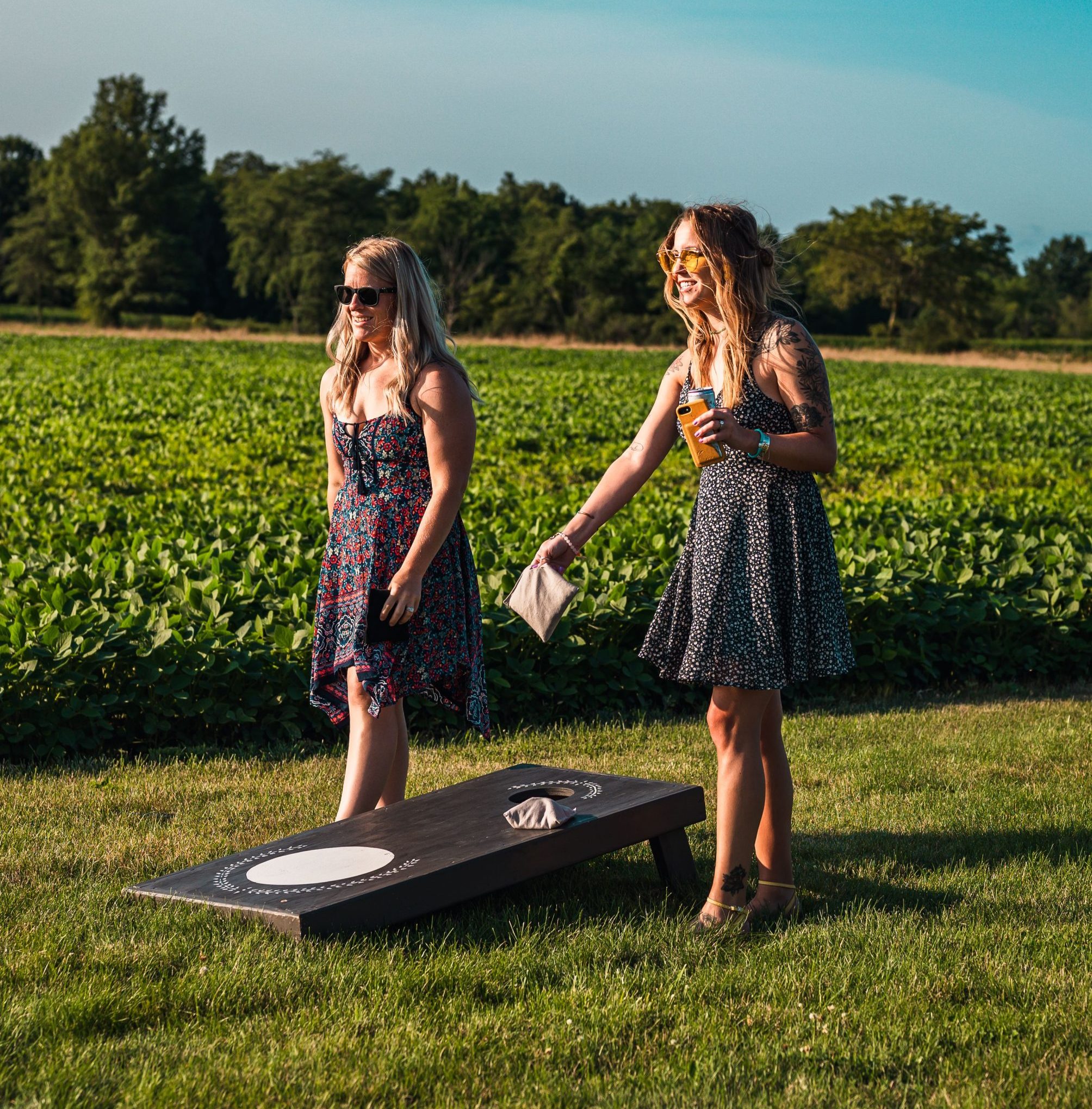
Spikeball is a good example. Its roundnet sets are designed to be portable and can be played on grass, sand, and other open areas. That makes it a good fit for a backyard with flexible lawn or turf space.
Cornhole, ladder golf, and similar games work on the same principle.
You don’t necessarily need to dedicate part of your backyard exclusively to one activity. Instead, you can design an open area that supports many activities.
On Saturday afternoon it might be the Spikeball court. Sunday evening it might become the cornhole area. When nobody is playing anything, it simply returns to being open lawn or turf.
For many homeowners, that flexibility is more useful than a highly specialized space.
Built-In Games Can Become Part of the Backyard
At the other end of the spectrum are games that become a more permanent part of the outdoor living space.
An outdoor ping-pong table is one example. A bocce area could be another. Depending on the family, a project could even include a dedicated sport court or another specialized play area.
These features need more planning because they influence the layout around them.
A ping-pong table, for example, needs more than enough room for the table itself. Players need space to move behind and beside it. A game area shouldn’t block the primary route between the house, pool, outdoor kitchen, and other gathering areas.
This is where designing everything together becomes valuable.
Rather than asking, Where can we squeeze this game in? after construction, we can ask early in the process, How do you like to spend time together, and what should we make room for?
That leads to a much more natural backyard.

Think About the Furniture, Too
Not every outdoor game requires running around.
Some of the simplest games are still some of the best.
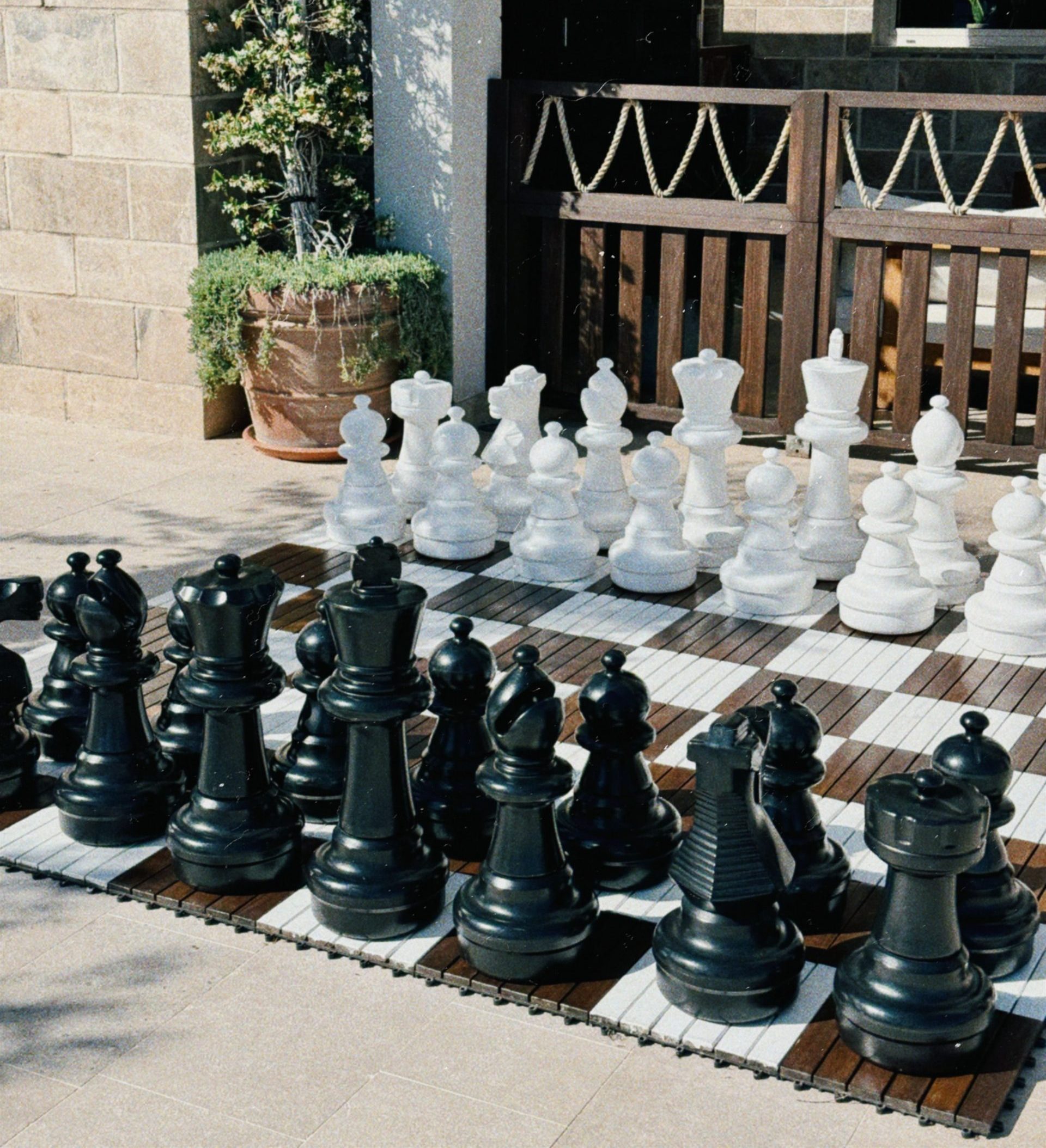
Cards, checkers, dominoes, and board games can be great additions to a porch or covered outdoor living area—but only if there is a comfortable place to play them.
If two people regularly play cards together, a small bistro table might be exactly what the space needs. If games normally involve four, five, or six people, a larger round table with comfortable chairs may be a better choice.
This is another example of why outdoor design should begin with how people actually want to live.
We aren’t just deciding where a table looks good. We’re asking what people might actually do while sitting around it.
Create Spaces Where Generations Can Gather
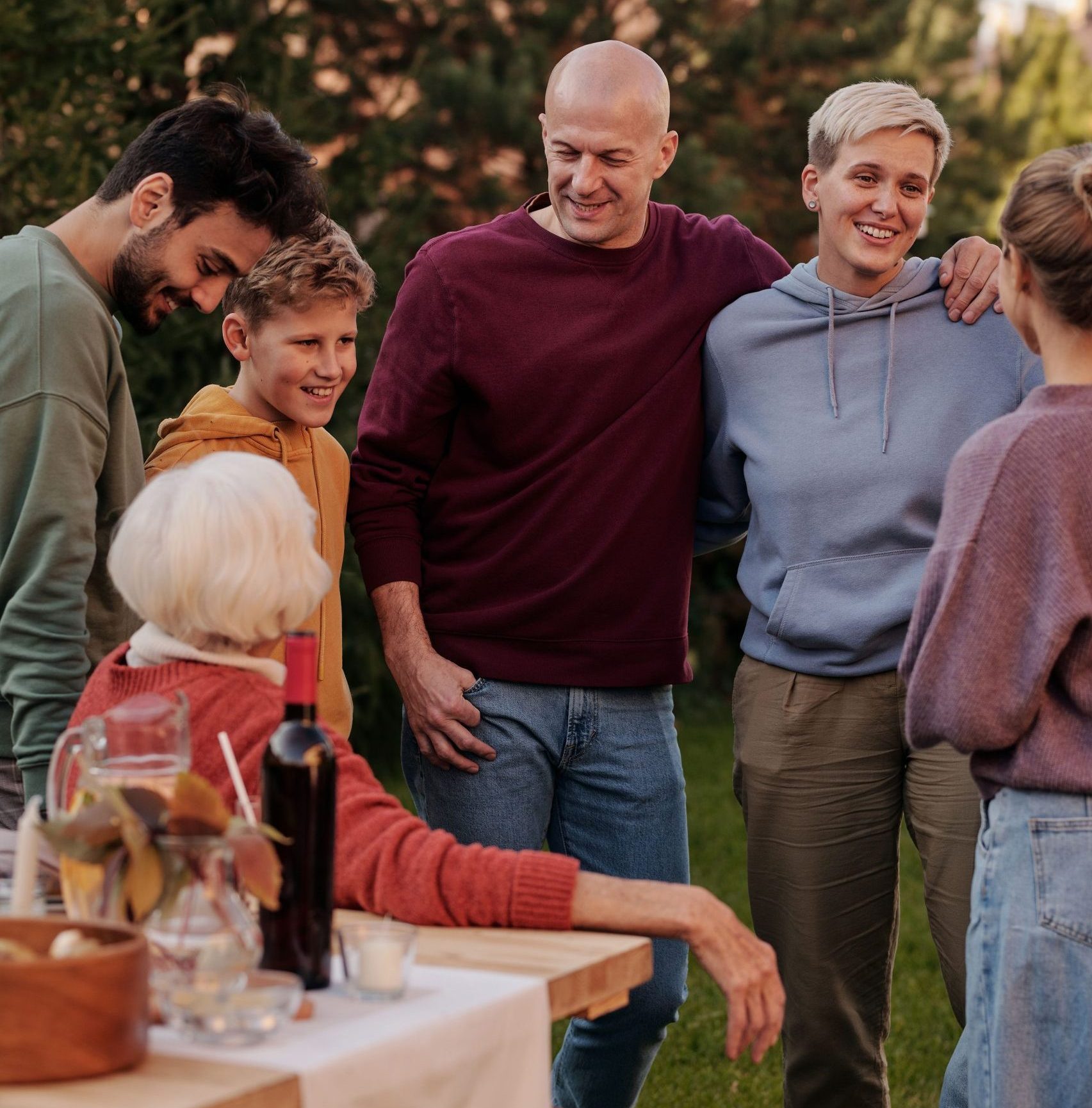
Many of the families we work with aren’t designing their backyards for just one generation.
They are thinking about children, grown children, grandchildren, grandparents, friends, and extended family gathering in the same place.
Games can be especially valuable in these settings.
The best choices don’t always need to be complicated or intensely competitive. A simple game of cornhole, Four in a Row, bocce, cards, or another familiar game can give people of very different ages something to do together.
That’s an important part of outdoor family fun.
A beautiful backyard certainly has value. But a backyard where grandparents, parents, teenagers, and younger children can all find something they enjoy doing has another kind of value altogether.
Family-Friendly Layouts Leave Room for Both Play and Relaxation
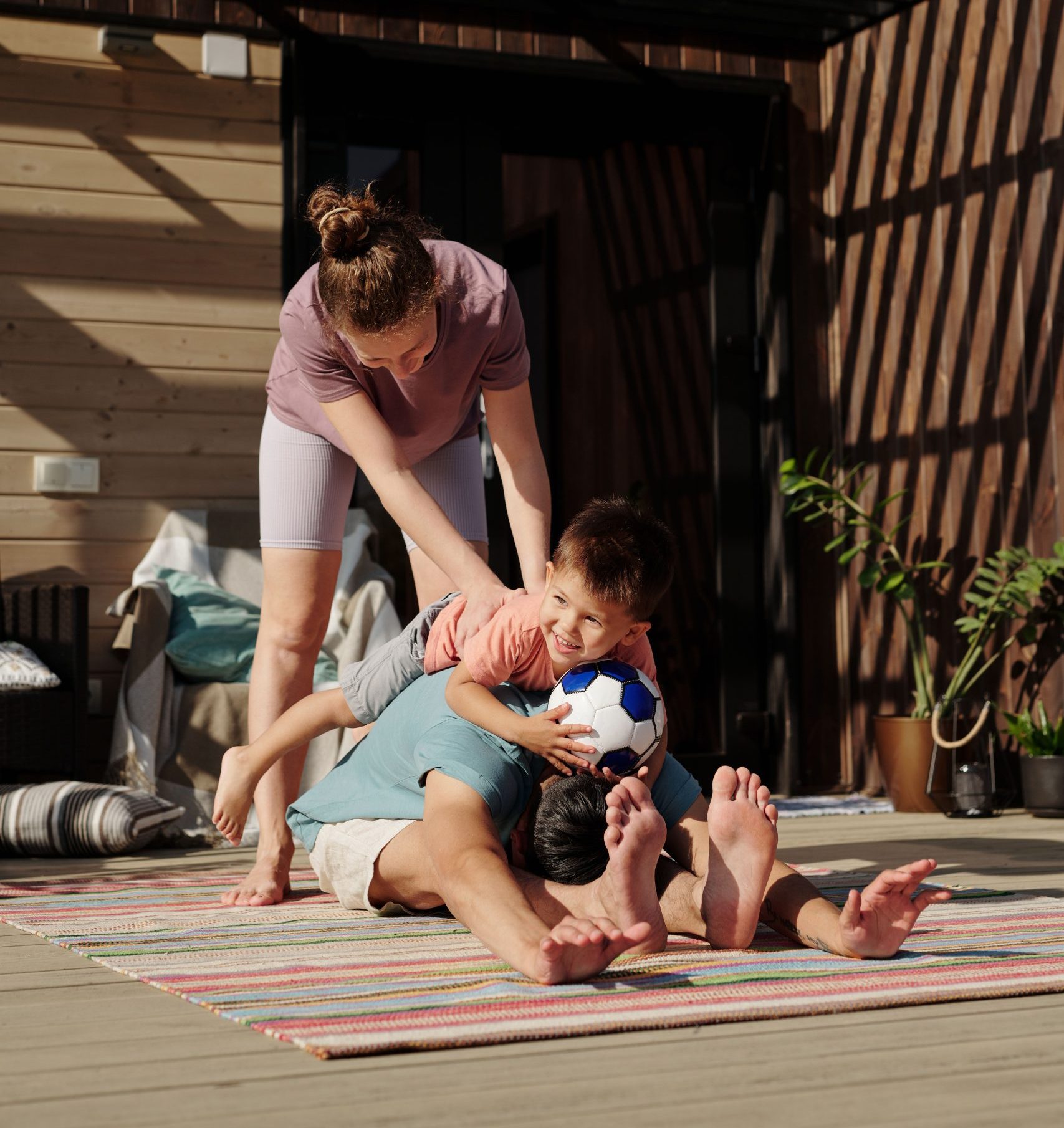
Not everyone wants to play all the time.
A successful backyard should accommodate the person who wants to jump into a game and the person who would rather sit nearby with a drink and watch.
That means play areas should be connected to the gathering spaces without taking them over.
An open turf area might sit near the patio or pool, for example, allowing a cornhole or Spikeball game to become part of the gathering while keeping the primary seating and circulation areas clear.
Similarly, a game table on a porch can be positioned where players are still part of the larger conversation without blocking the route to the door, outdoor kitchen, or backyard.
These are small design decisions, but they affect how comfortable a space feels once a dozen or more people are using it.
Good outdoor design accounts for movement, conversation, play, food, relaxation, and all the little things happening at the same time.
The Best Summer Backyard Ideas Start With How You Live
There isn’t one list of games that belongs in every backyard.
One family may love competitive games and want plenty of open turf. Another may prefer cards around the table after dinner. Another may have grandchildren constantly moving between the swimming pool, lawn, and patio. And another may want outdoor games available when friends visit but completely out of sight the rest of the week.
The right solution starts by asking those questions before the backyard is built.
Where will you play?
Where will you store everything?
What surfaces do the games require?
Who will be playing?
And how can the play areas fit naturally alongside the places where people cook, eat, swim, relax, and talk?
At Bear Creek, those conversations are part of designing an outdoor living space around the people who will actually use it.
Because ultimately, a backyard shouldn’t just photograph well.
It should give people a reason to go outside and enjoy it.

Design Your Yard for Play
If games, grandchildren, family gatherings, and summer evenings outside are part of how you imagine using your backyard, let’s plan for them from the beginning.
Bear Creek can help you design an outdoor living space that’s made for play—not just looks.

Written by: Brian Mininger
I grew up in Waynesboro, Virginia, and currently live in Greenville on Bear Root Farm with my wife, Victoria, co-founder of Bear Creek Outdoor Living. We have four daughters and three sons-in-law, several of whom work with us, and I enjoy spending time together as a family and working alongside them.
I love being outdoors, especially hiking and trail running on our public lands, and I regularly participate in ultra-running events. At Bear Creek, I enjoy helping clients guide their vision into reality and providing steady, visionary leadership to our team.