
Beginner’s Guide to Outdoor Living Space Design
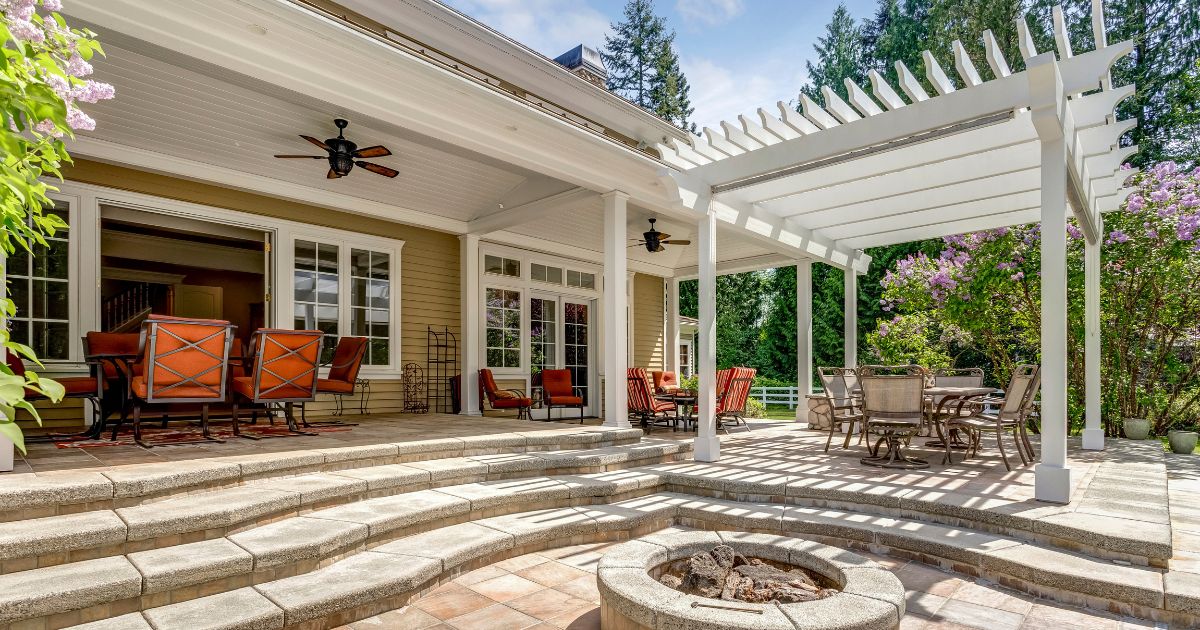
Outdoor living is one of the most misunderstood parts of residential design. Many homeowners think it starts and ends with furniture, a deck, or a patio. In reality, outdoor living design is about creating functional rooms that help you experience the outdoors as part of daily life.
At Bear Creek Outdoor Living, we design outdoor spaces to be lived in—not just looked at. When outdoor living is done well, it becomes a natural extension of the home and a place your family actually uses.
This beginner’s guide explains what outdoor living really means, how thoughtful layout impacts daily life, and why design should always come first.
What “Outdoor Living” Really Means
Outdoor living spaces are not interior rooms moved outside—but they are designed with the same intentionality.
Unlike interior living rooms, outdoor living spaces are purposefully exposed to the elements. They offer some shelter and comfort, but they also invite fresh air, changing light, seasonal weather, and a connection to the outdoors.
A well-designed outdoor living space:
- Feels like part of the home
- Supports daily routines and family life
- Encourages time outside without sacrificing comfort
- Fits the lifestyle of the people who actually live there
Outdoor living is not about square footage. It’s about use, purpose, and experience.
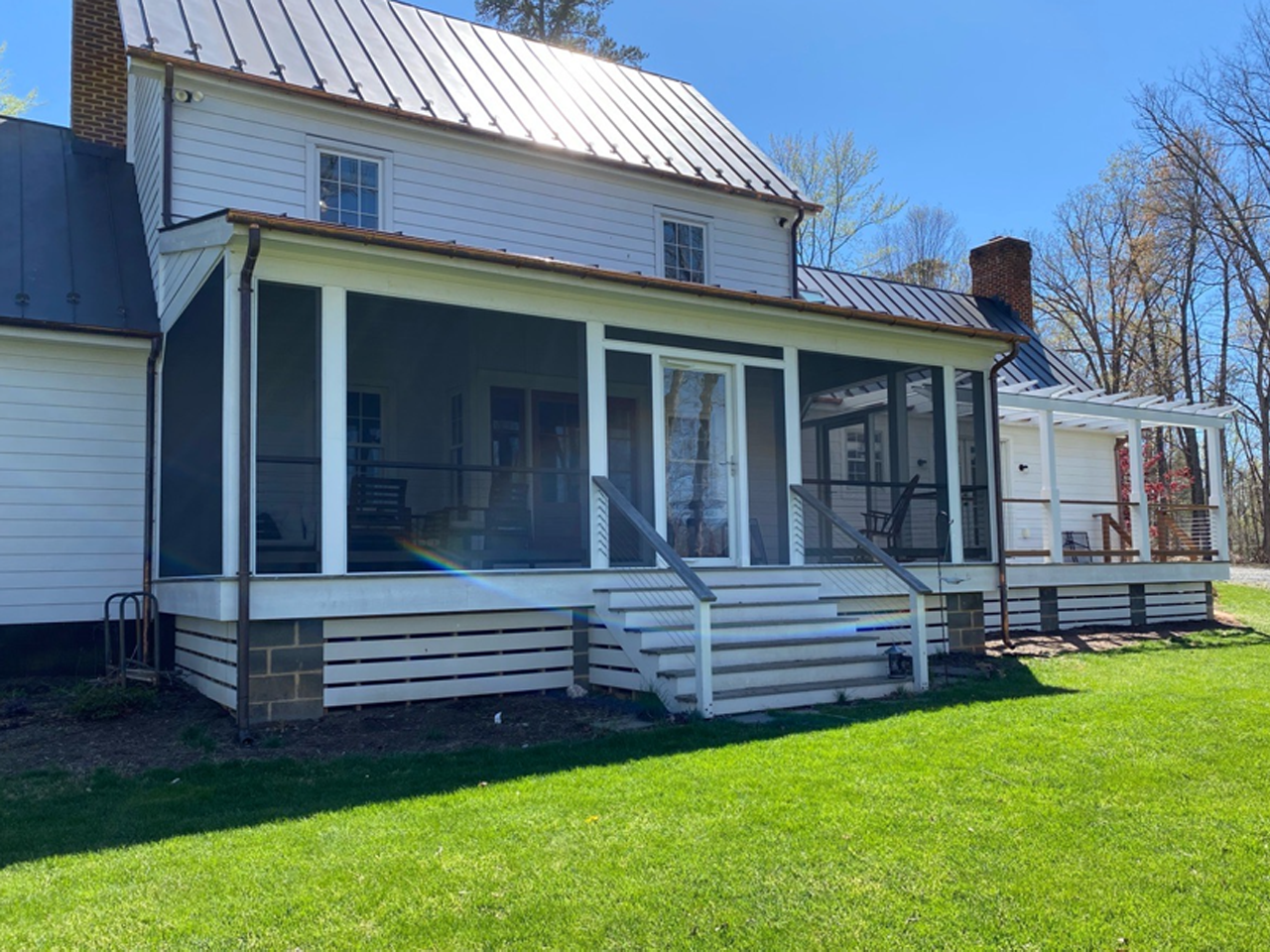
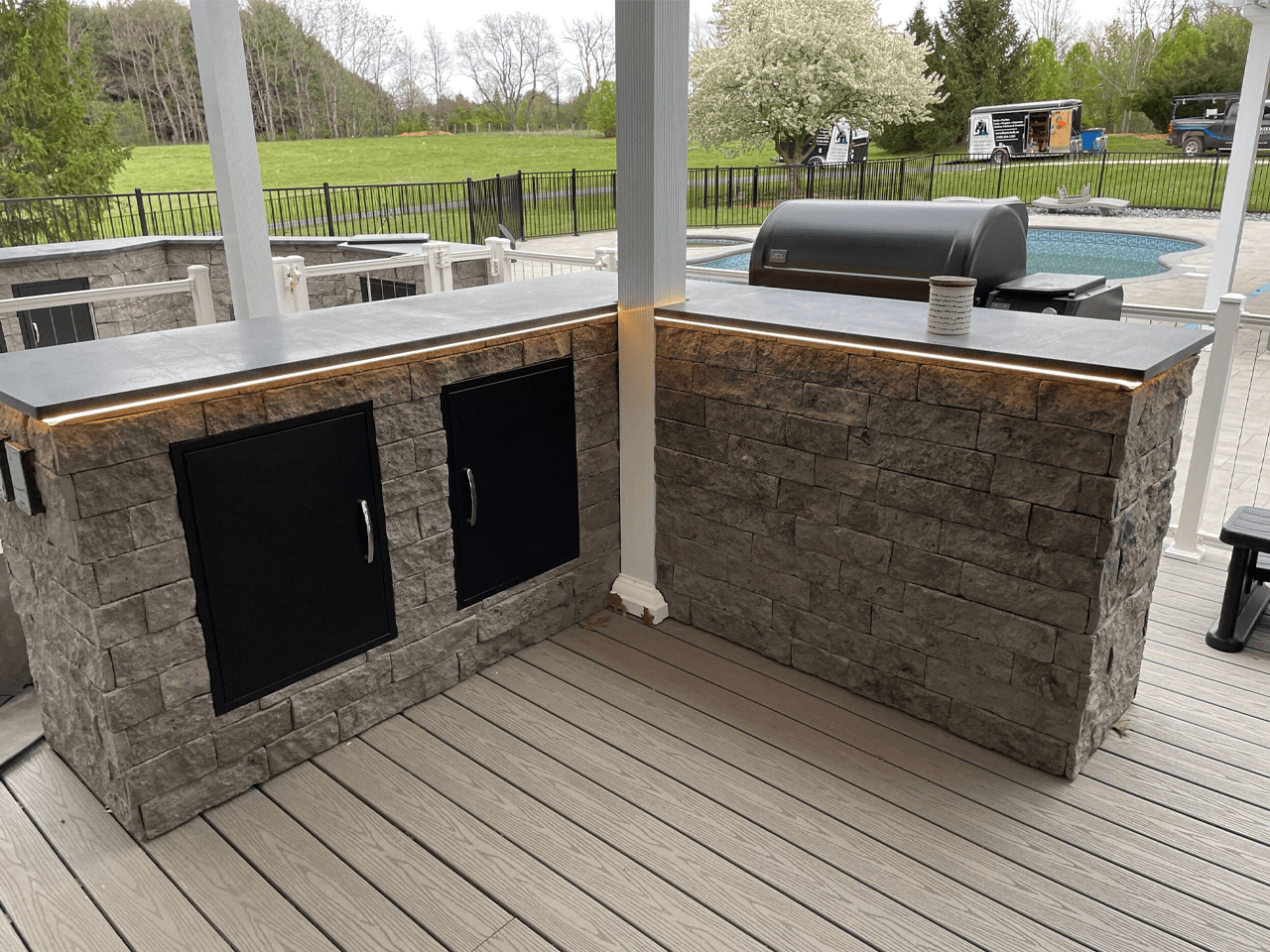
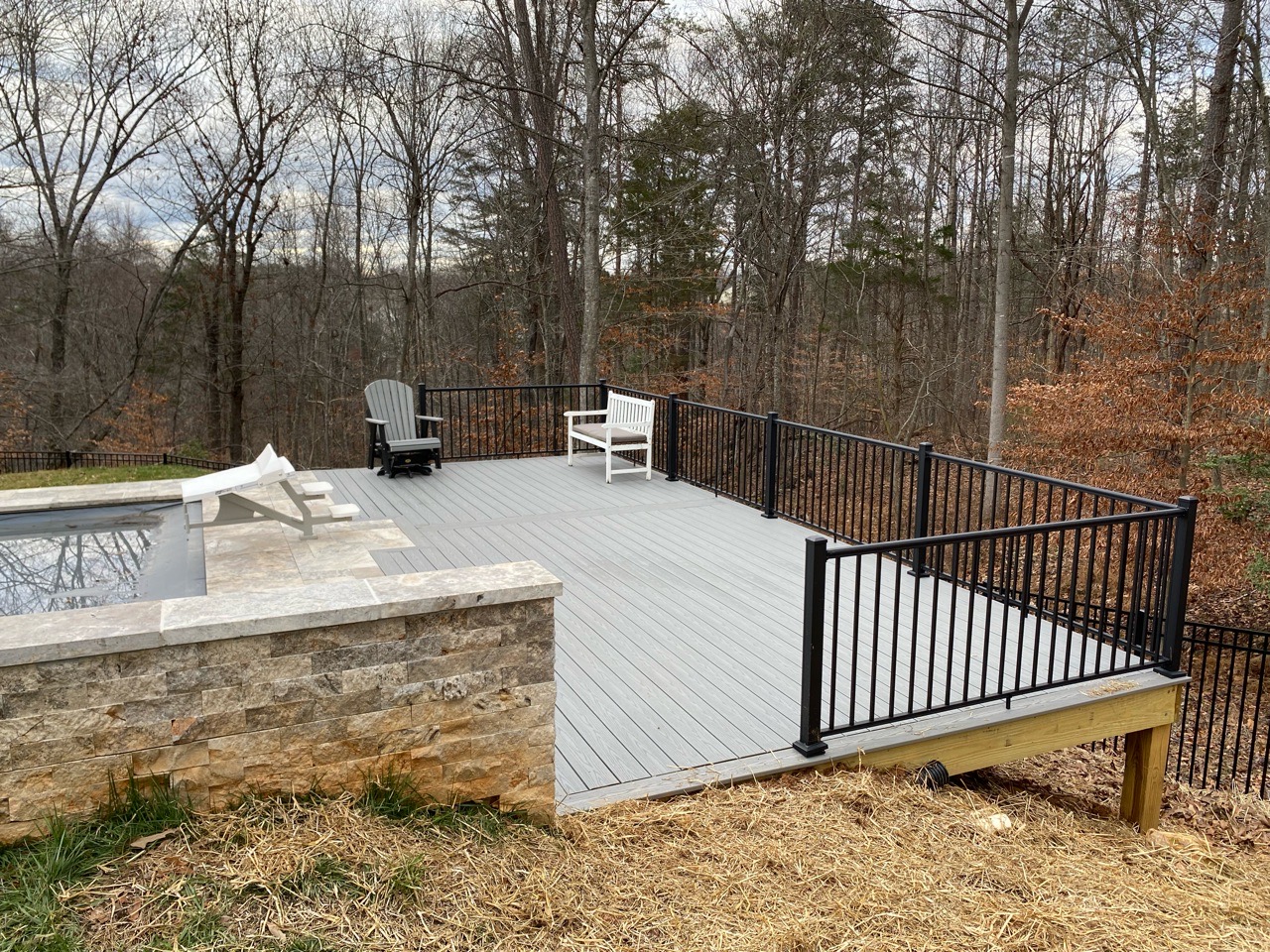
Outdoor Living Zones: Designing for Real Life
One of the most important outdoor living planning basics is understanding zones. Outdoor living works best when it’s broken into clear functional areas, much like an interior floor plan.
Common outdoor living zones include:
- Dining zones for meals and gatherings
- Relaxing zones for conversation, reading, or quiet time
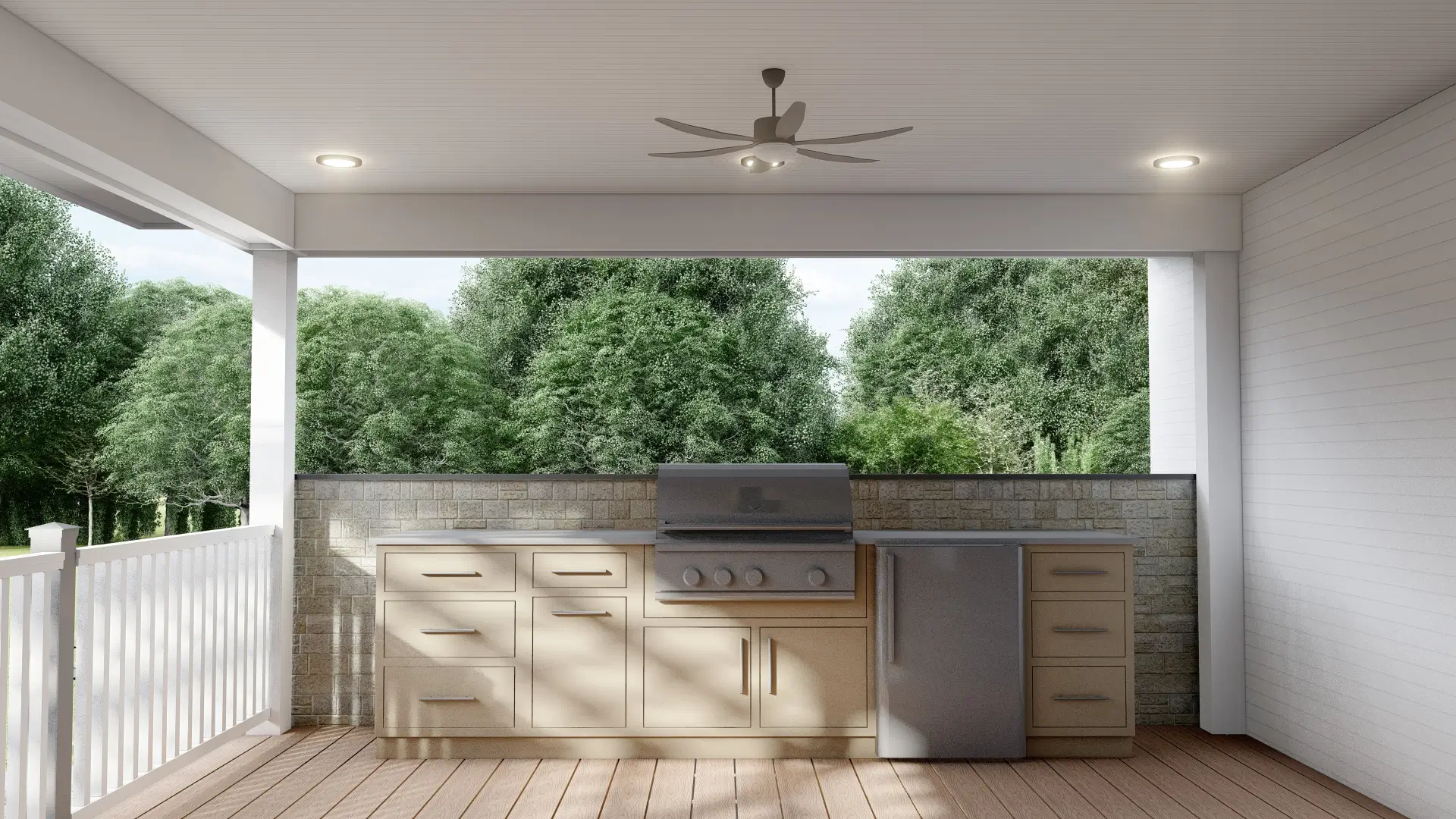
- Cooking zones such as grills or outdoor kitchens
- Kids or activity zones for play, pools, or games
The key is not trying to include everything—but including what actually fits your household.
Design decisions should be driven by:
- Who will use the space (couples, kids, teenagers, guests)
- How they want to use it
- When they want to use it (morning, evening, weekends)
- What the home already provides indoors
A retired couple and a family with young kids need very different backyard layouts. Designing for lifestyle—not trends—leads to spaces that get used year after year.
Why Traffic Flow Matters More Than You Think
Poor traffic flow is one of the most common reasons outdoor living spaces fail.
Outdoor rooms should align with how people already move through the house. When spaces are placed too far from daily living areas, they get ignored—no matter how beautiful they are.
Common traffic flow mistakes include:
- Placing outdoor living areas far from the main living level
- Ignoring natural entry and exit points from the home
- Creating awkward paths that cut through seating or dining areas
The best outdoor living layouts create a gradual transition from inside to outside—moving from more protected spaces to more open ones. When the flow feels natural, families use the space without thinking about it.
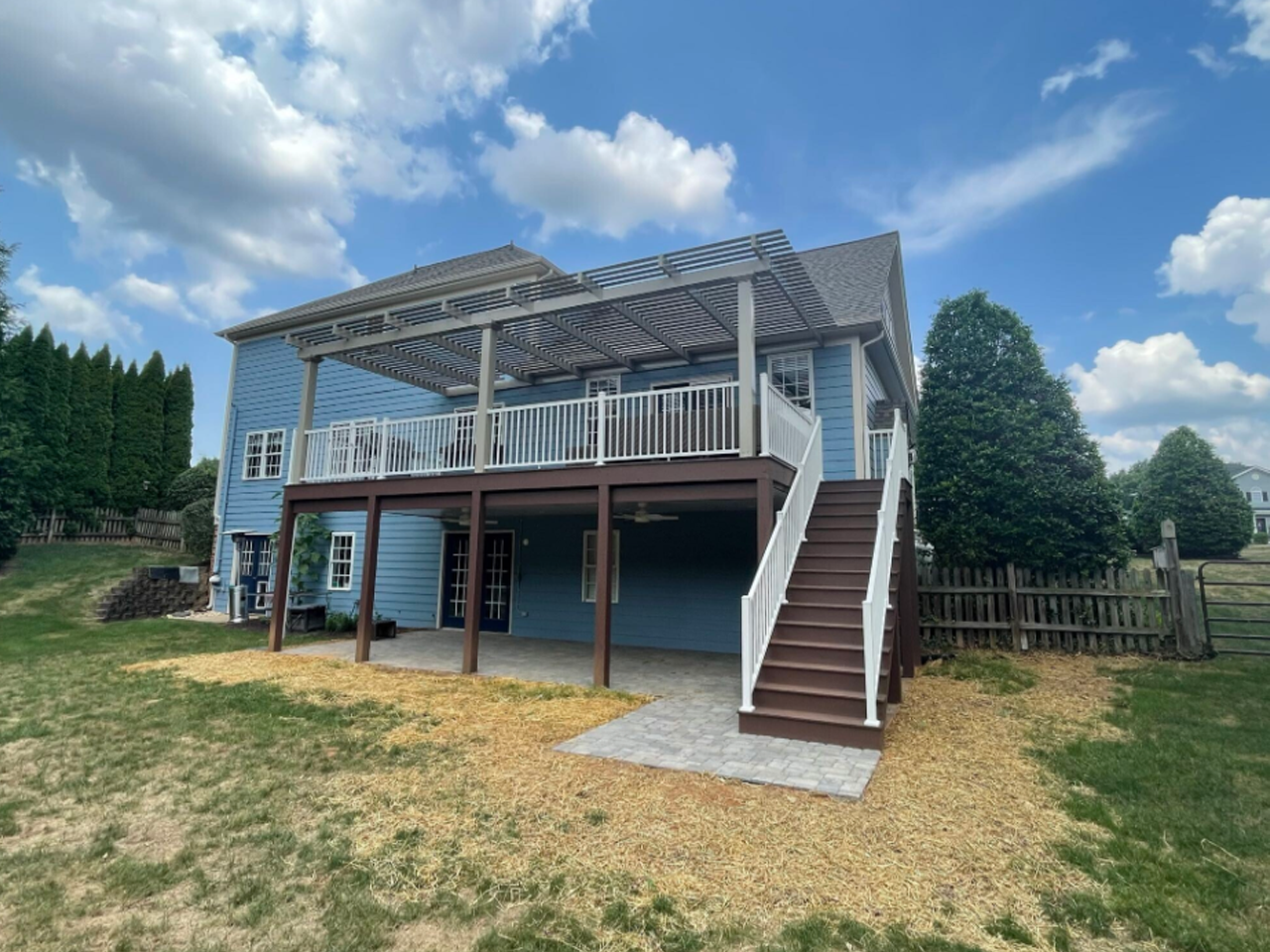

Common Outdoor Living Layout Mistakes
Before calling a professional, many homeowners unintentionally lock themselves into poor decisions.
The most common mistakes we see:
- Designing based on the house, not lifestyle
For example, building a deck to the corner of the house simply because it’s there—rather than because it serves a purpose. - Replacing what exists without rethinking it
Old decks or patios are often rebuilt exactly as they were, even though they were designed for a previous owner’s lifestyle. - Letting size be arbitrary
Bigger is not always better. Some spaces end up oversized and unused, while others are too small to function properly.
Any time an old structure is removed, you have a blank slate. That’s the moment to rethink how the space should work—not just rebuild what was there.
Why Design First Saves Money—and Adds Value
Starting with design doesn’t always reduce the cost of a project. Sometimes it does. Sometimes it doesn’t.
What it always does is increase value.
Design first means:
- You invest in features that matter to you
- You avoid spending money on space you won’t use
- You get a layout that supports daily life
- You avoid costly changes mid-construction
When homeowners skip design, they often make significant investments that look fine—but don’t deliver real impact. The return on investment isn’t just financial; it’s measured in how often and how well you use the space.
Thoughtful outdoor living design ensures the investment actually pays off.

Written by: Brian Mininger
I am originally from Waynesboro, VA and currently reside here with my wife and four daughters: Michaela, Anna, Rachel, and Kaitlyn. In my downtime, I really enjoy participating in activities for my daughters and the events that are going on at their schools. I also really love being outdoors. Specifically, hiking in Shenandoah National Park and trail running. I have competed in a few ultra-events and look forward to running more races in the future.