
Outdoor Seating Layouts That Actually Get Used
A beautiful outdoor space is not automatically a well-used outdoor space.
One of the biggest mistakes homeowners make when designing decks, patios, and backyard gathering areas is focusing too much on how the space looks and not enough on how people will actually use it. Outdoor seating layouts should encourage people to relax, linger, and connect with one another. When they are poorly planned, spaces often end up feeling crowded, awkward, or disconnected.
At Bear Creek, we spend a lot of time helping clients think through not just the structure of an outdoor space, but how life will happen within it. The best outdoor spaces are the ones people naturally gravitate toward day after day, season after season.
Start with Conversation Zones
One of the most practical ways to think about outdoor seating is to create conversation zones instead of simply placing furniture wherever it fits.
People gather best when seating feels intentional and connected. Chairs positioned too far apart or lined up in rigid rows rarely create relaxed interaction. On the other hand, layouts that gently orient people toward one another naturally encourage conversation.
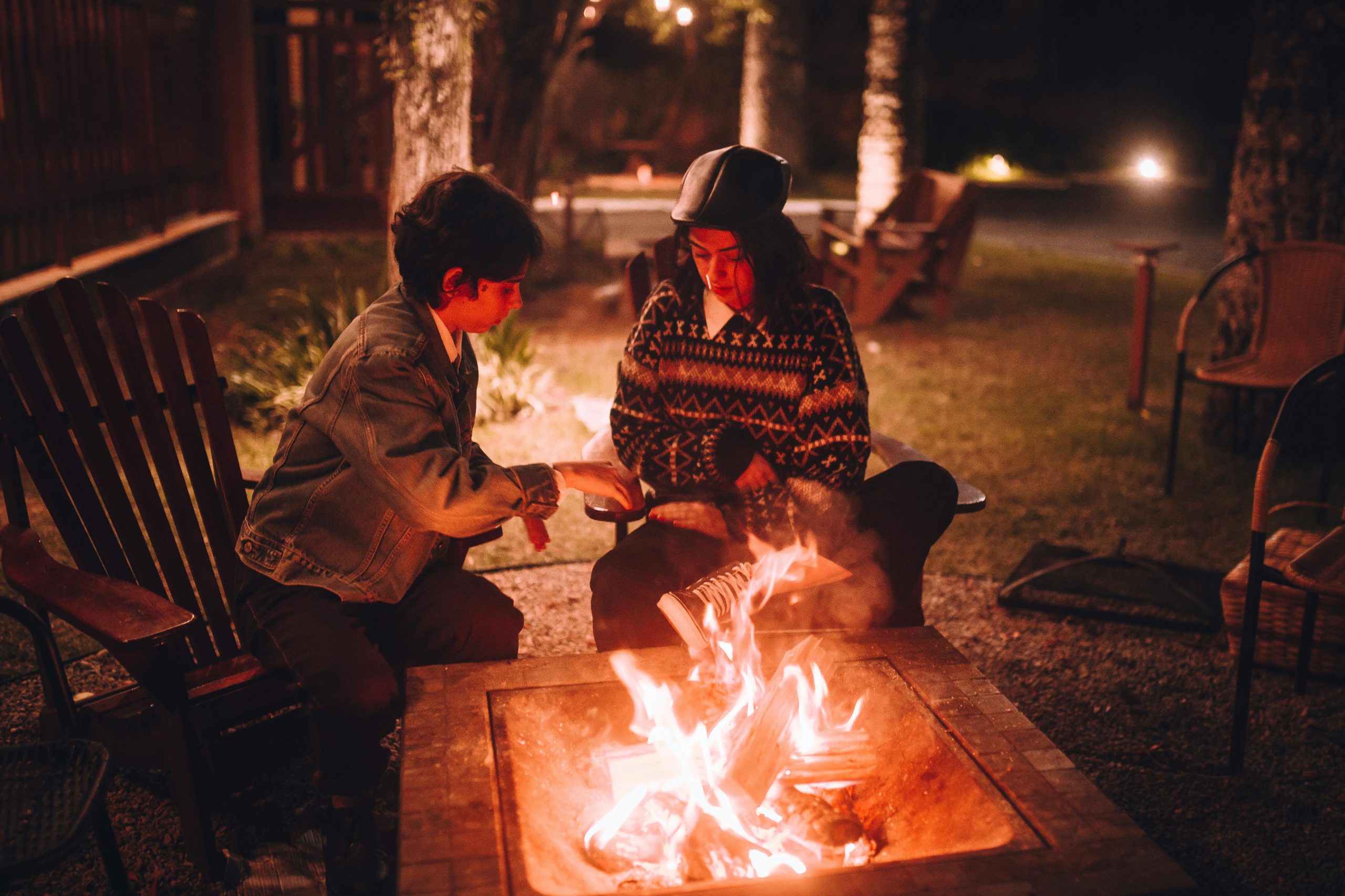
One of the most common examples we see repeated successfully is the classic circular fire pit gathering area. A simple fire pit positioned in the center with Adirondack chairs, benches, or casual lounge seating arranged around the perimeter continues to work because it reflects something timeless about how people gather.
For thousands of years, people have gathered around fire. It creates warmth, focus, and a natural place for conversation. Even today, some of the most-used outdoor spaces are often the simplest.
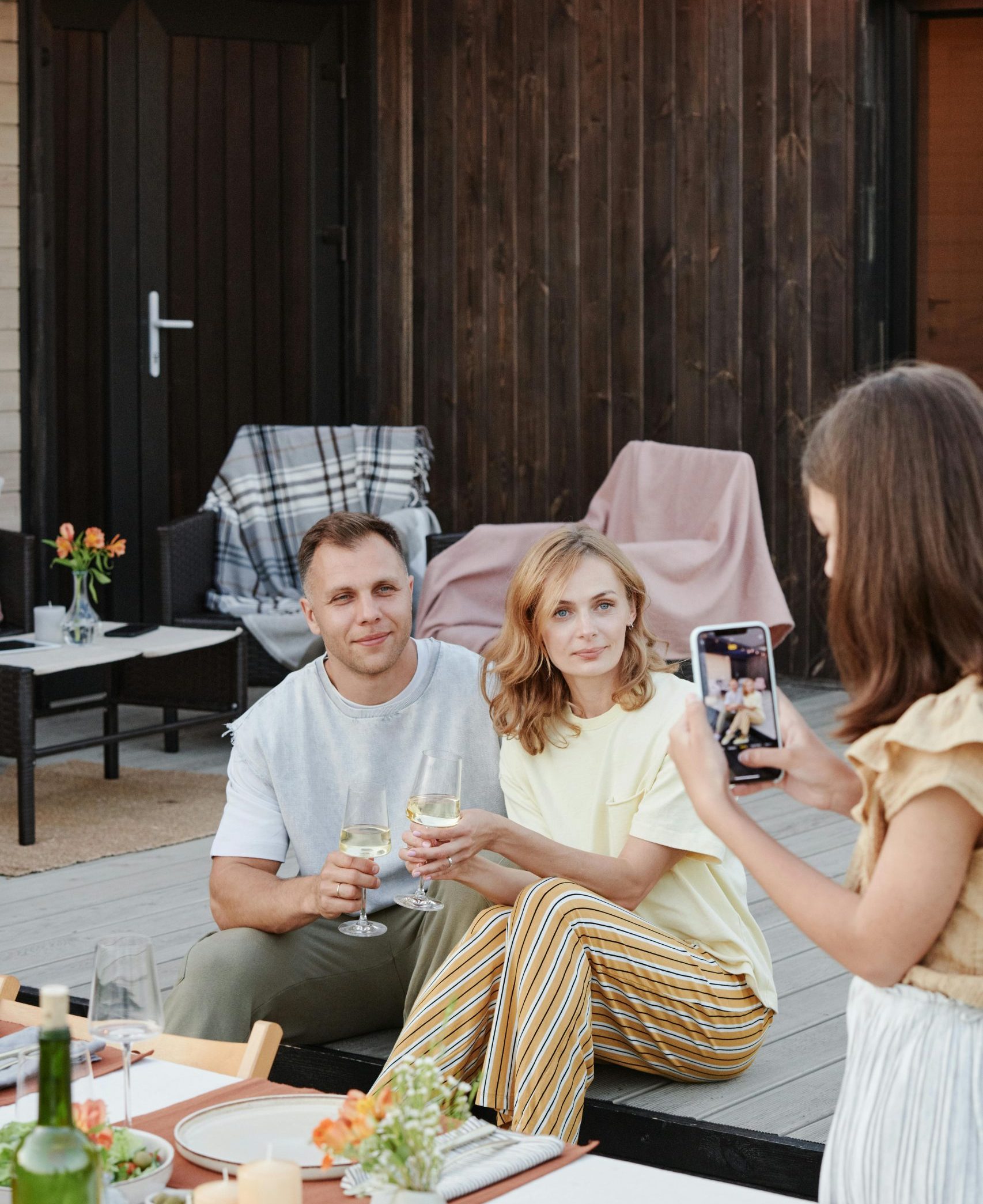
The same principle applies to smaller spaces as well. A quiet bistro table for two can be perfect for a couple who enjoys morning coffee together. A larger family with teenagers and frequent guests may need a broader seating arrangement that allows multiple people to interact comfortably without feeling crowded.
Good seating layouts are not one-size-fits-all. They should reflect the way the homeowner actually lives.
Avoid Overcrowding the Space
Another common mistake is trying to fit too much furniture into the space.
Outdoor living areas need room to breathe. If every square foot is filled with seating, tables, or decorative elements, the area quickly starts to feel cluttered and uncomfortable. People should be able to move naturally through the space without squeezing between furniture or constantly adjusting chairs.
In many cases, fewer pieces arranged thoughtfully work far better than trying to maximize seating capacity.
This becomes especially important when working with views. Many outdoor spaces in the Shenandoah Valley and Central Virginia are positioned to take advantage of mountain views, farmland, woods, or water. Seating layouts should preserve those sightlines whenever possible.
A great layout allows people to interact with each other while also enjoying the setting around them.
Think Carefully About Traffic Flow
Traffic flow is one of the most overlooked aspects of outdoor design.
Gathering spaces should feel protected and comfortable, not like hallways people constantly walk through. One of the simplest principles is to make sure traffic flows around conversation areas rather than directly through the middle of them.
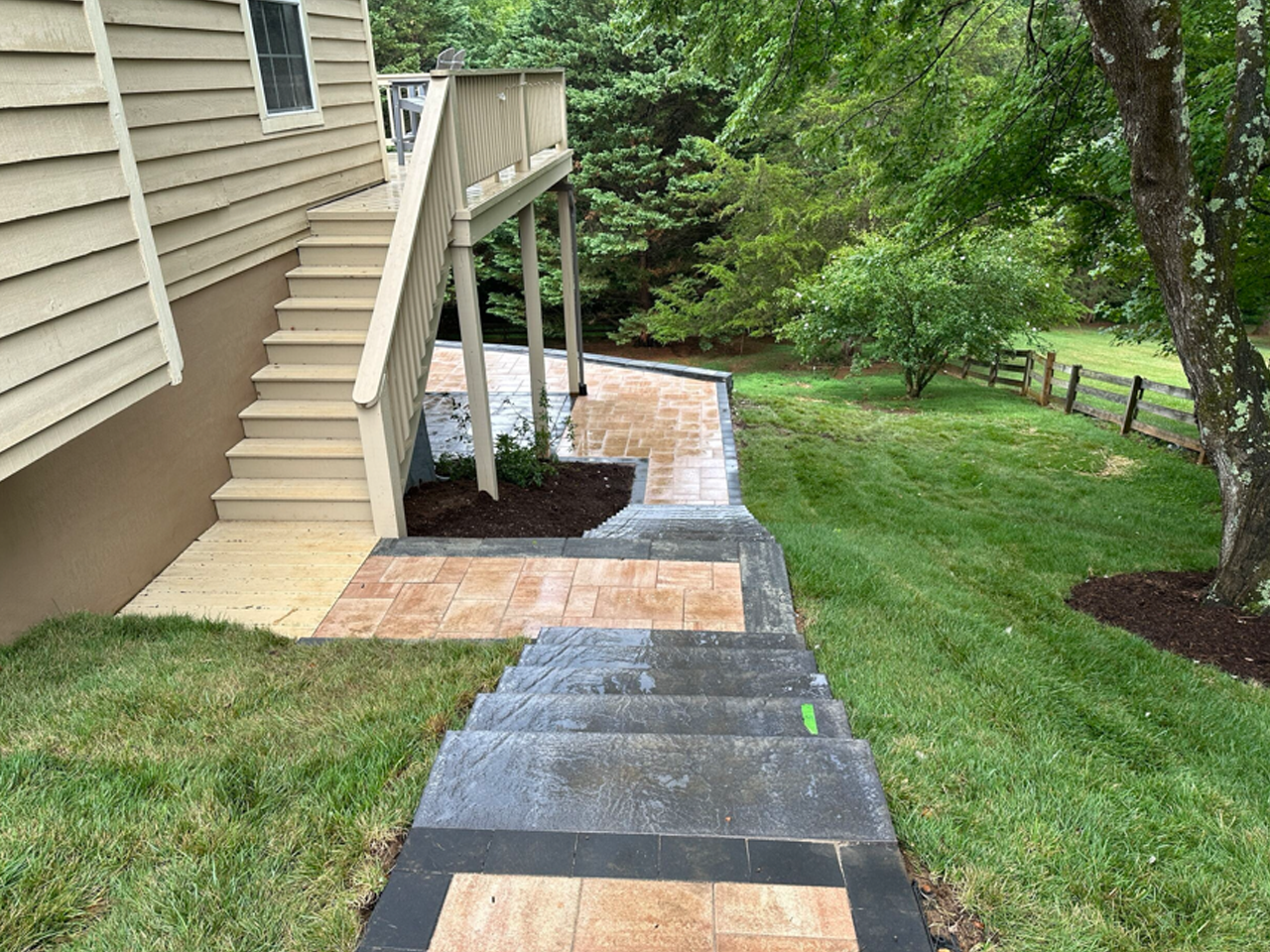
For example, dining spaces should connect naturally to grills, outdoor kitchens, and house entrances without forcing guests to cut through a lounge area. Likewise, pathways to pools, steps, yards, or fire features should feel intuitive and unobstructed.
When traffic patterns are planned well, spaces feel calm and functional. When they are ignored, even beautiful outdoor spaces can feel chaotic.
Create Natural Gathering Points
The best outdoor spaces usually have a focal point.
Sometimes that focal point is a fire pit. Other times it may be a dining table, a water feature, an outdoor fireplace, or even a spectacular view. People naturally orient themselves around meaningful features, and good seating layouts take advantage of that instinct.
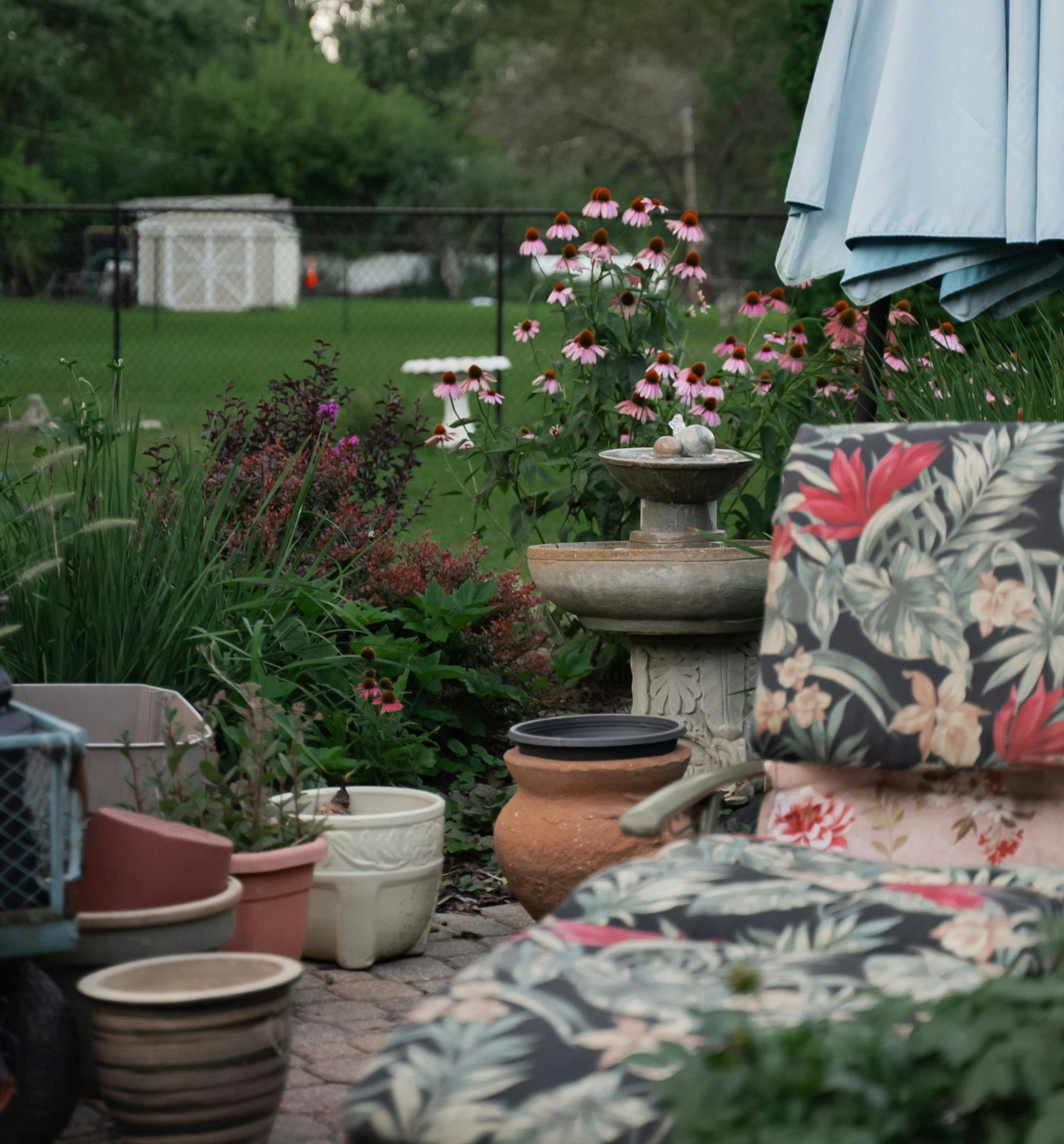
Water features, for example, can create a sense of calm through movement and sound. Even a small fountain can soften background noise and make a seating area feel more peaceful and inviting.
Dining tables also remain one of the strongest gathering tools available. Sharing meals together has always been central to relationships and family life. Outdoor dining areas that are comfortable, shaded appropriately, and connected well to the rest of the space tend to get used consistently.
Outdoor Spaces Should Support Real Relationships
At the end of the day, the goal of a seating layout is not simply to fill a patio with furniture.
It is to create an environment where people actually want to spend time together.
Good conversation rarely happens by accident. It happens when people slow down long enough to ask meaningful questions, share stories, laugh together, and talk about the things that matter. Thoughtful outdoor spaces can help support those moments.
That is part of why timeless outdoor designs tend to work so well. Fire, water, shared meals, comfortable seating, and thoughtful gathering areas continue to matter because people continue to need connection.
A well-designed outdoor space cannot create relationships on its own. But it can remove distractions, encourage togetherness, and give people a place where meaningful moments happen naturally.
At Bear Creek, we believe the best outdoor spaces are not just visually beautiful. They are spaces that truly get lived in.

Written by: Brian Mininger
I grew up in Waynesboro, Virginia, and currently live in Greenville on Bear Root Farm with my wife, Victoria, co-founder of Bear Creek Outdoor Living. We have four daughters and three sons-in-law, several of whom work with us, and I enjoy spending time together as a family and working alongside them.
I love being outdoors, especially hiking and trail running on our public lands, and I regularly participate in ultra-running events. At Bear Creek, I enjoy helping clients guide their vision into reality and providing steady, visionary leadership to our team.