
How to Choose Materials That Last Outdoors
An honest breakdown of durability, maintenance, and cost
When you invest in a backyard project, you’re not just choosing how it looks. You’re choosing how it performs for the next 10, 20, or even 30 years.
In Central Virginia, outdoor materials take a beating. Heat. Humidity. Freeze–thaw cycles. Heavy rain. UV exposure. Nothing outside is maintenance-free. The real question is:
How will this material age? How much maintenance will it require? And was it installed correctly?
This outdoor material guide is written for serious homeowners planning a project this year who want clarity — not marketing language.
Composite vs. Wood Decking
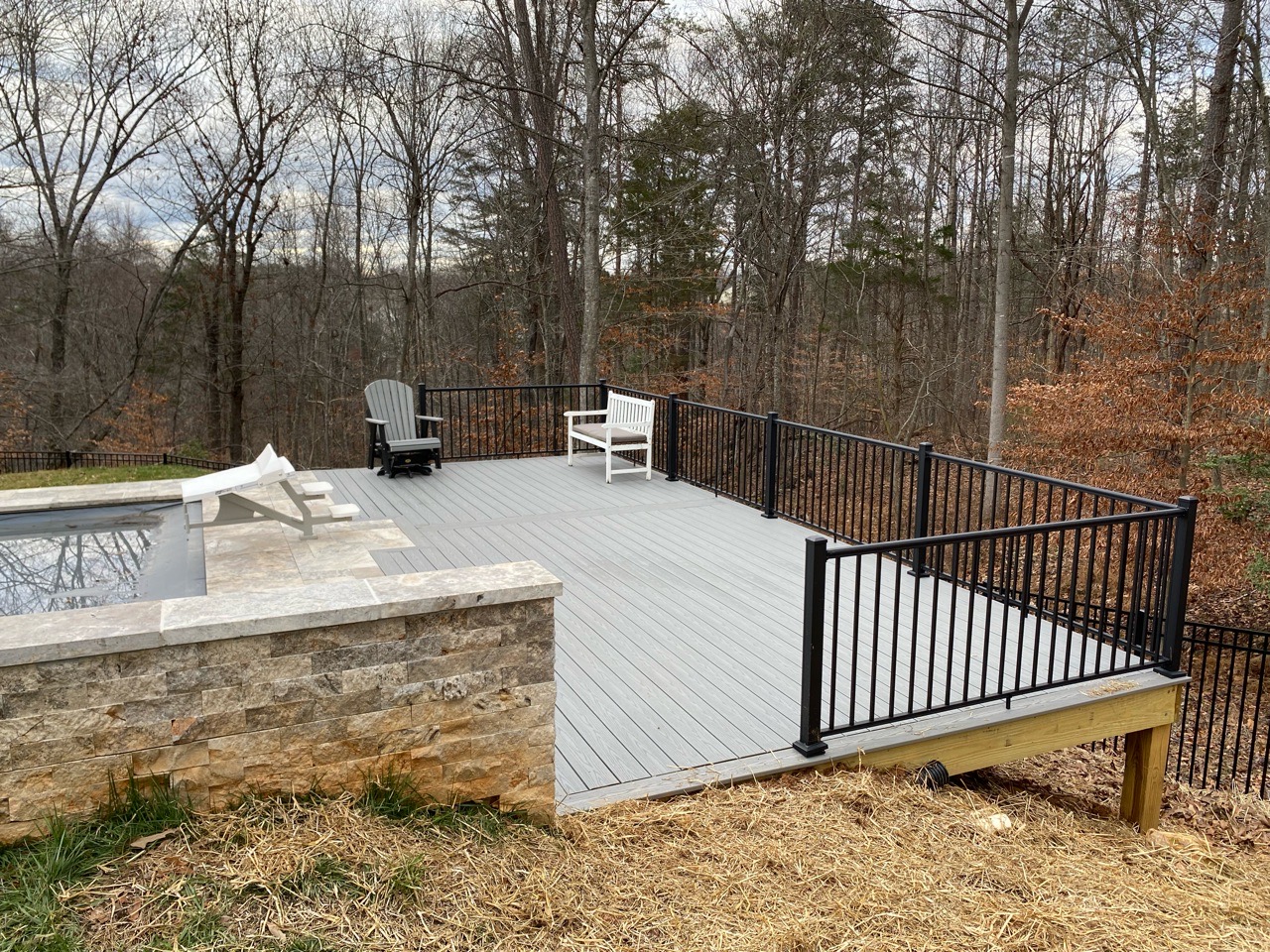
Capped Composite & PVC Decking
In our experience at Bear Creek Outdoor Living, capped composite and PVC decking are the longest-lasting deck surface materials used in most residential applications today.
- PVC decking typically offers the longest lifespan and some of the most realistic wood-look finishes available.
- Capped composite provides strong durability and reliable performance with slightly different material composition.
Strengths
- Highly resistant to moisture and rot
- No painting or staining required
- Strong color retention (varies by manufacturer)
- Consistent appearance over time
Tradeoffs
- Higher upfront investment
- Can heat up in direct sun
- Still requires cleaning
- Performance depends on proper installation and fastening
When installed with correct framing, spacing, and high-quality fasteners, these systems perform very well in our climate.
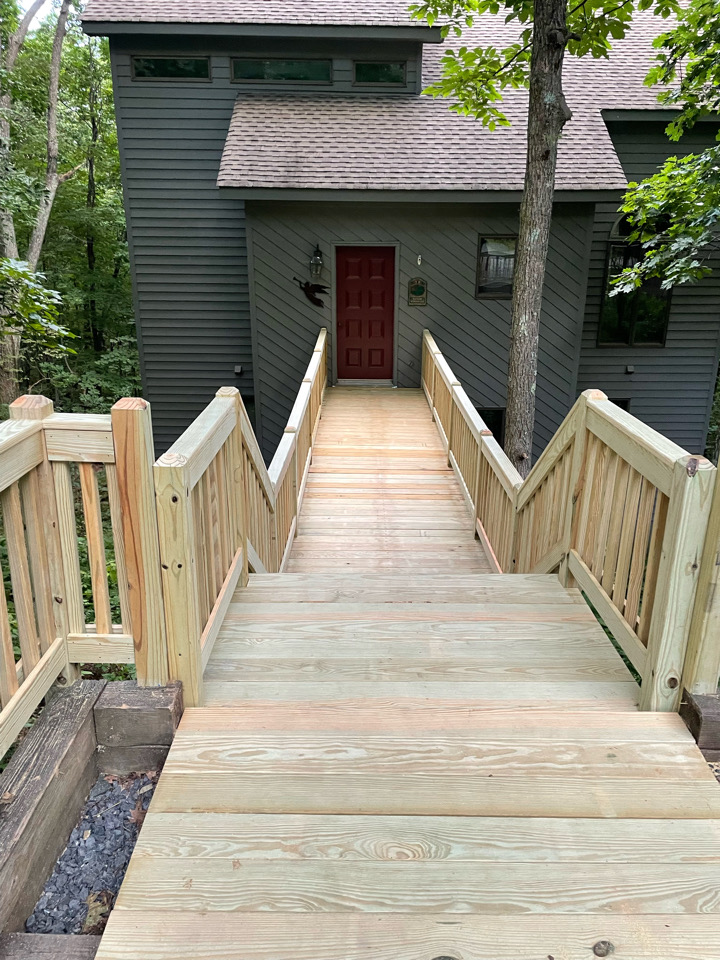
Natural Wood Decking
Wood remains appealing because it’s traditional and authentic. But performance varies significantly by species.
- Pressure-treated lumber is economical but requires consistent sealing and maintenance.
- Ipe (Brazilian hardwood) is extremely dense and long-lasting when properly installed and maintained.
- Cedar and other softwoods do not last well as decking in our high-humidity climate.
Strengths
- Natural character
- Lower initial cost (except hardwoods like Ipe)
- Repairable board by board
Tradeoffs
- Requires ongoing staining or sealing
- Prone to checking, splitting, cupping
- Vulnerable to rot if neglected
- Fastener quality and flashing details are critical
If someone is comfortable repainting or restaining regularly — or hiring that work done — wood can last a long time. If not, it won’t. This is less about the material and more about maintenance discipline.



Longevity of Materials for Patio Surfaces
Poured Concrete
Concrete is common because it’s cost-effective and relatively quick to install.
However, in freeze–thaw climates like ours:
- Concrete cracks.
- Repairs are visible.
- Large sections often require replacement rather than spot repair.
It can serve its purpose well, but it is rarely the most durable long-term aesthetic solution.
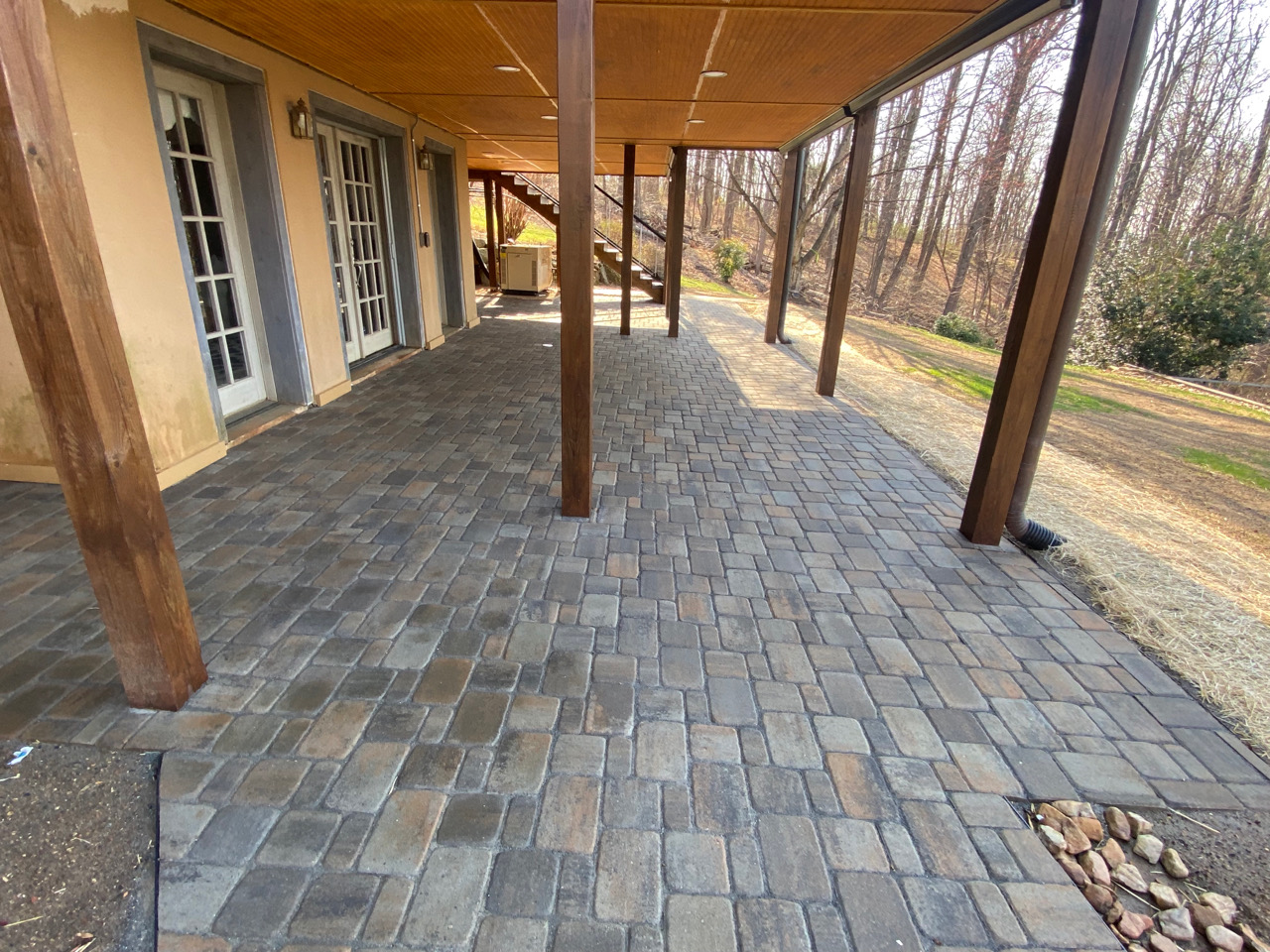
Concrete Pavers
Concrete pavers are a flexible system designed to handle movement.
Strengths
- Individual units can be replaced
- More forgiving with minor ground movement
- High-end visual appeal
- Strong structural performance when properly based
Tradeoffs
- Higher upfront cost
- Requires proper base preparation
- Joint sand requires periodic maintenance
When installed over a properly compacted base with good drainage strategy, pavers significantly outperform poured concrete in long-term durability.
Natural Stone & Porcelain Pavers
Natural stone — such as bluestone or limestone — has been used for centuries because of its inherent durability.
Exterior-rated porcelain pavers also offer excellent long-term performance when correctly specified and installed.
Strengths
- Timeless appearance
- Excellent longevity
- Minimal fading
- High-end finish
Tradeoffs
- Higher initial investment
- Requires experienced installation
- Subsurface preparation is critical
For homeowners prioritizing both durability and aesthetics, these options often represent the strongest long-term value.
Pools: Fiberglass vs. Vinyl
In larger backyard projects, pool structure material plays a major role in longevity.
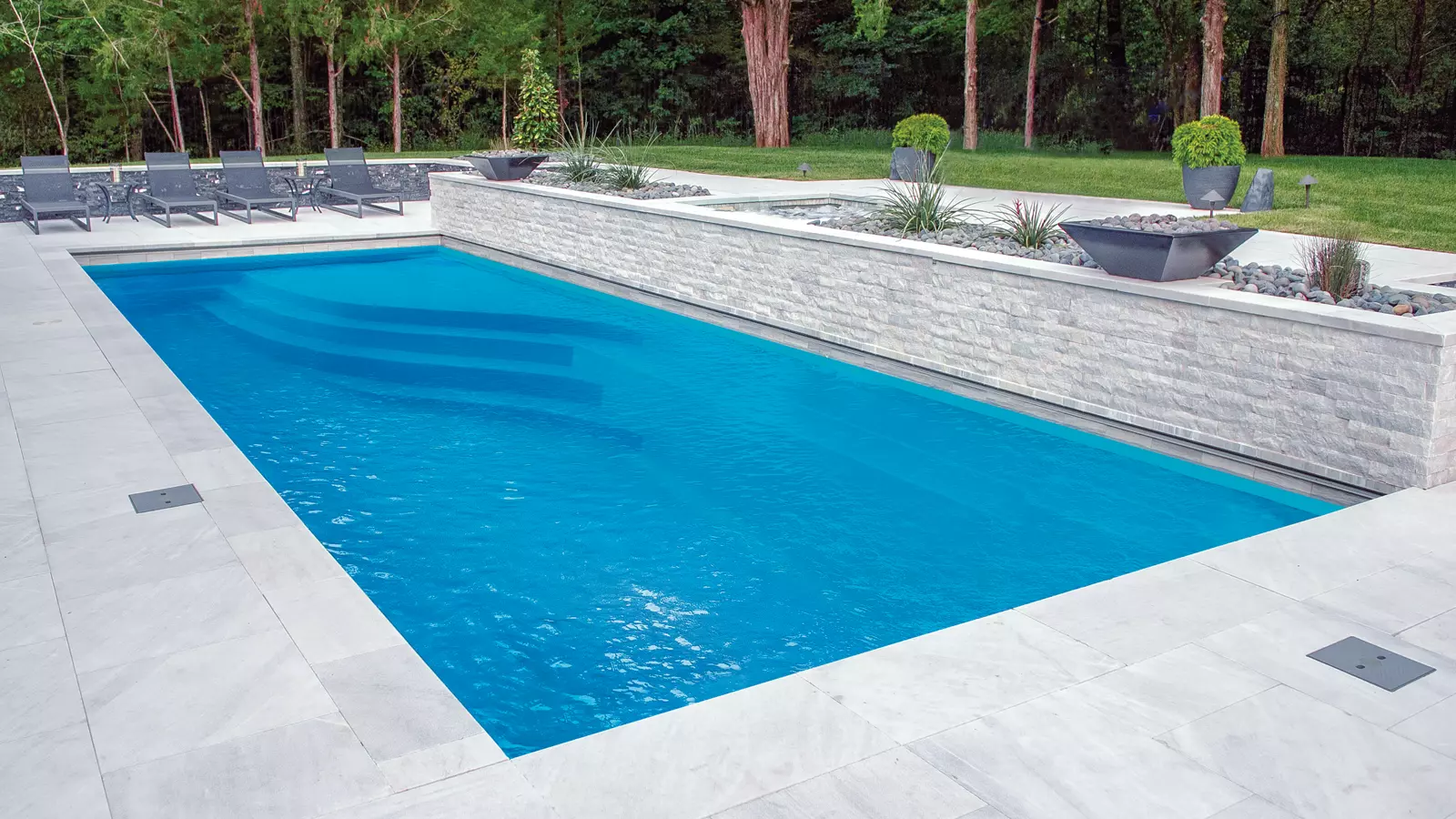
In our experience, fiberglass pools are among the longest-lasting, lowest-maintenance residential pool systems when properly installed.
Fiberglass Strengths
- Factory-controlled shell quality
- Smooth surface resists algae growth
- No liner replacement cycle
- Lower long-term maintenance demands
Vinyl liner pools can be appropriate in certain contexts, but liners require periodic replacement. Again, the right choice depends on your maintenance tolerance and long-term plans.
The Materials Around the Materials
Longevity is not just about deck boards or patio surfaces.
It also includes:
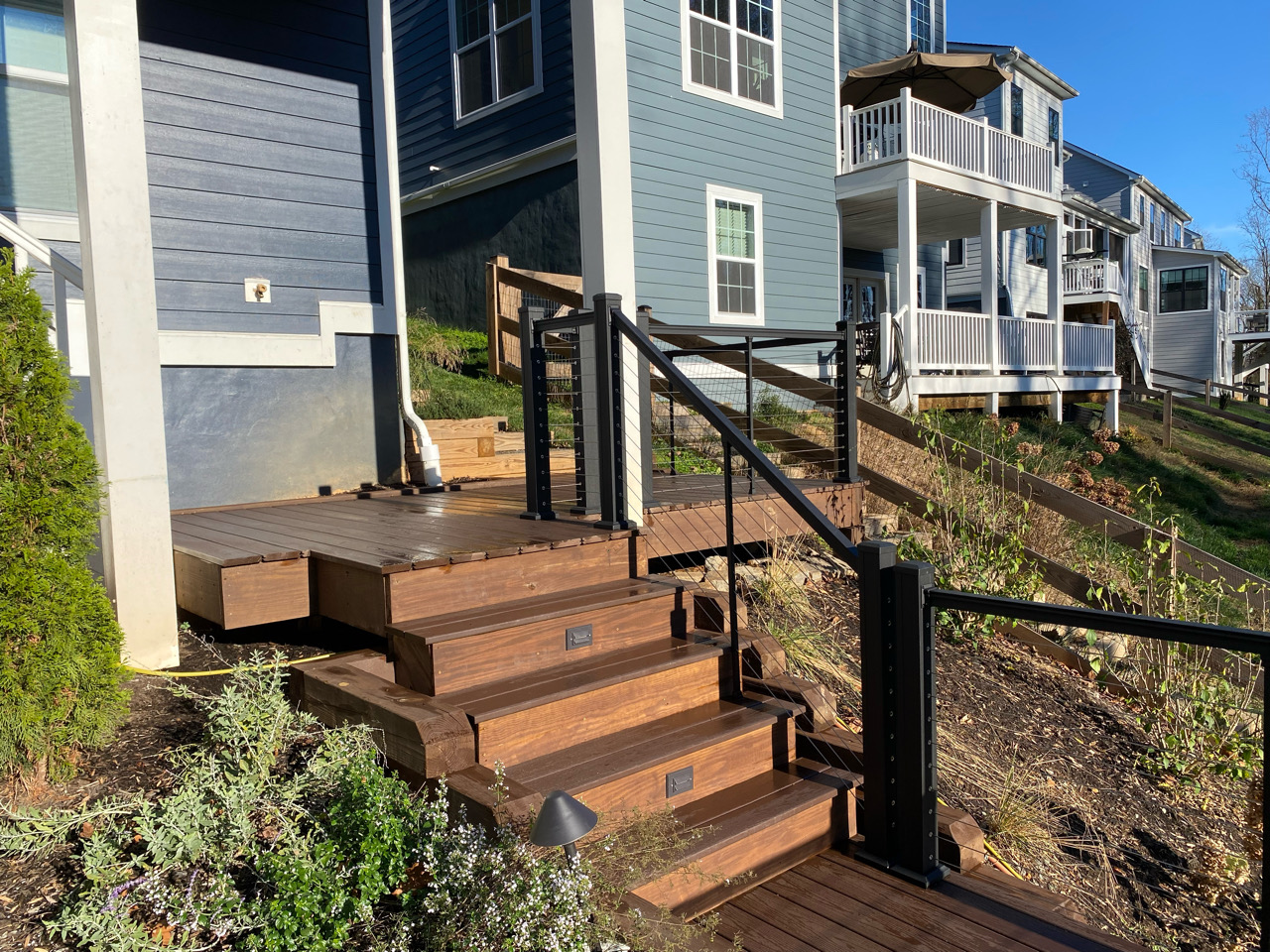
- Aluminum railings vs. painted wood railings
- Stainless steel cable systems in moisture-heavy areas
- PVC trim vs. painted wood trim
- Corrosion-resistant fasteners
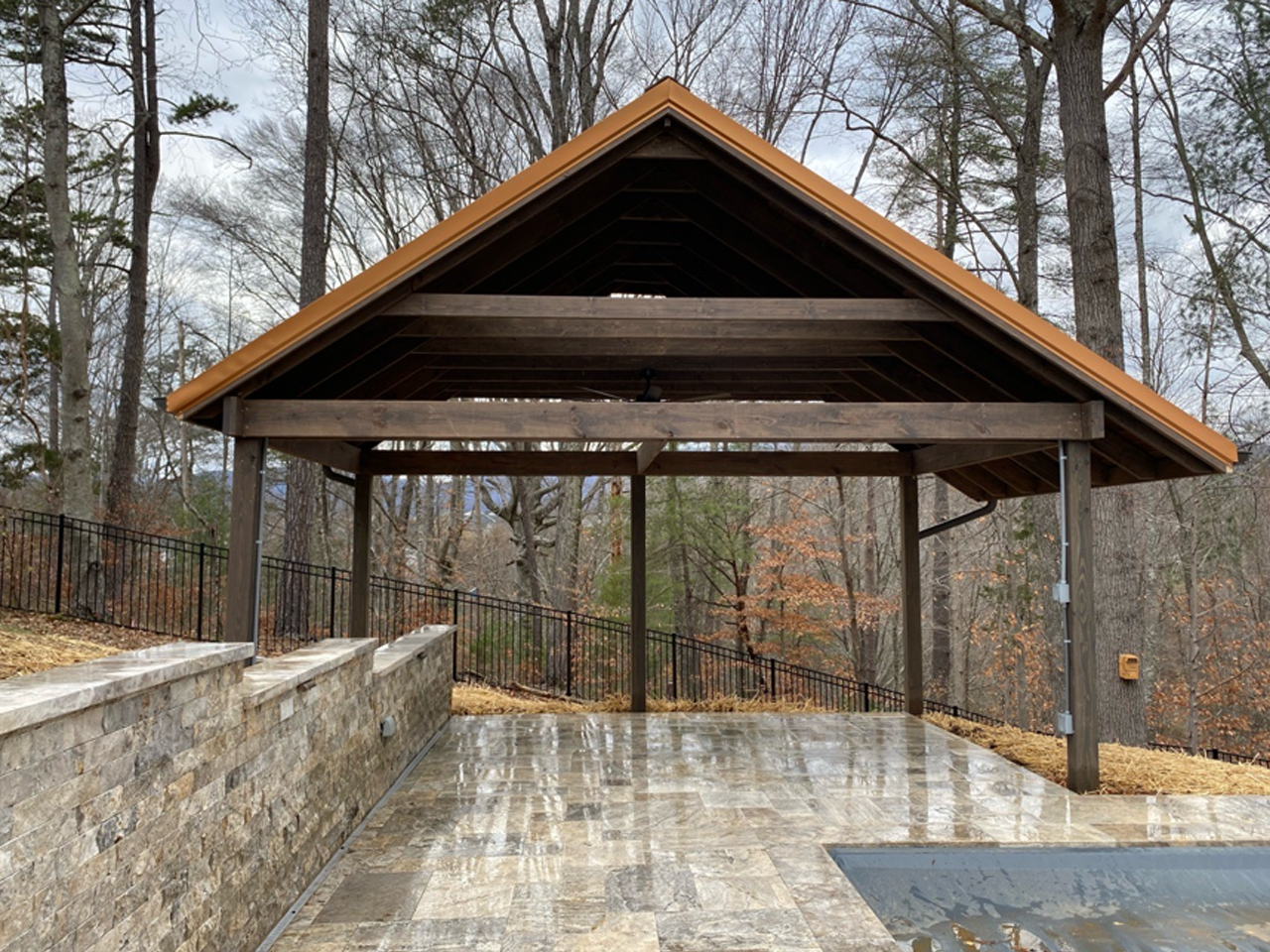
- Exterior-rated lighting and ceiling fans
Quality hardware and fasteners are often overlooked, but they play a major role in whether an installation truly lasts. In outdoor construction, inferior fasteners can shorten the lifespan of even premium materials.
Craftsmanship Matters as Much as Materials
The longest-lasting materials can still fail if improperly installed.
Key principles that determine longevity:
- Proper drainage and water management
- Correct flashing at transitions
- Material selection appropriate to the application
- High-quality fasteners and connectors
- Proper structural preparation
Outdoor environments are harsh. Water intrusion is the most common cause of failure. Managing moisture properly is not optional — it is foundational.
At Bear Creek Outdoor Living, our experience allows us to guide clients not only in material selection but also in determining where and how each material should be used for long-term performance.

Warranties vs. Reality
Warranties matter. But they must be understood.
A long warranty does not mean:
- No fading
- No movement
- No maintenance
- No wear
It means the product meets defined criteria under defined conditions.
Real-world performance depends on:
- Installation quality
- Exposure conditions
- Maintenance practices
- Soil and drainage factors
We’ve seen products technically under warranty that still required replacement because expectations did not match performance.
Warranties are valuable. But experience — understanding how materials actually perform in our region — is just as important.
A Simple Decision Framework
Longevity matters. But it fits differently into each homeowner’s priorities.
Before selecting materials, consider:
1. What is your maintenance tolerance?
Are you willing to repaint, restain, reseal, or replace components periodically? Or do you prefer minimal upkeep beyond cleaning?
2. What is your aesthetic priority?
Are you drawn to natural aging and character? Or consistency and long-term uniformity?
3. What is your time horizon?
Is this a 10-year investment? A 30-year investment? A legacy project?
4. What does our climate demand?
Central Virginia weather is demanding. Nothing outside is maintenance-free. Everything requires some level of management.
Some homeowners prioritize aesthetics and are comfortable renovating again in the future. Others want materials that will perform reliably with minimal intervention. Neither is wrong — but the material choices should align with that reality.

Final Thoughts
The most expensive material is often the one that gets replaced twice.
Choosing the best materials for your patio, deck, or pool is not about selecting the most expensive product. It’s about aligning durability, maintenance expectations, craftsmanship, and long-term goals.
At Bear Creek Outdoor Living, our role is to guide you through those tradeoffs — not just sell you a product.
We’ll help you choose materials that truly last.

Written by: Brian Mininger
I grew up in Waynesboro, Virginia, and currently live in Greenville on Bear Root Farm with my wife, Victoria, co-founder of Bear Creek Outdoor Living. We have four daughters and three sons-in-law, several of whom work with us, and I enjoy spending time together as a family and working alongside them.
I love being outdoors, especially hiking and trail running on our public lands, and I regularly participate in ultra-running events. At Bear Creek, I enjoy helping clients guide their vision into reality and providing steady, visionary leadership to our team.